

Last updated: November 12, 2026
A tummy tuck belly button is usually your original navel, brought through a new opening in tightened abdominal skin rather than replaced. The type of tummy tuck and your anatomy determine whether that opening is needed, how the navel may look, and what healing involves.
What happens to your belly button during a tummy tuck?
A tummy tuck is typically performed under general anesthesia, with your surgical team determining the appropriate anesthetic plan. During a typical full tummy tuck, the original navel remains attached beneath the skin while the surrounding abdominal skin is pulled downward. The surgeon creates an opening in the tightened skin and brings the navel through it. The navel’s visible position and shape may change even though the underlying belly button is retained.
How is the navel brought through the tightened skin?
The American Society of Plastic Surgeons’ tummy tuck procedure guide explains that the surgeon pulls upper abdominal skin down, trims the excess, creates an opening, and sutures the belly button into position. “Repositioning” usually refers to where the navel appears in the newly tightened skin, not removal of the original navel.
After a tummy tuck in Newport Beach, California at CosmetiCare, your belly button may look more vertical than horizontal and appear repositioned. The amount of skin removed and the type of tummy tuck affect whether it needs a new opening.
Do you get a new belly button with a tummy tuck?
Most patients do not get a newly constructed belly button with a tummy tuck. A typical full procedure preserves the original navel and brings it through an opening in the redraped skin. The visible opening can be shaped differently, but a newly constructed navel is a separate surgical situation, not an automatic part of abdominoplasty.
When might the visible navel need more extensive reshaping?
Umbilicoplasty means surgery to shape or reshape the belly button. An article on the American Society of Plastic Surgeons’ website about umbilicoplasty notes that it can be performed alongside a tummy tuck and that an old piercing scar may affect the approach.
Existing scars, the amount of loose skin, and the navel’s starting shape can influence the plan.
What are the different types of tummy tucks available?
CosmetiCare offers mini, standard full, extended, and drainless tummy tuck options. A mini tummy tuck generally treats the area below the navel without making a new opening for it. Full and extended procedures may involve bringing the navel through redraped skin; “drainless” describes the closure and drain strategy, not whether the navel changes.
A tummy tuck leaves a low horizontal abdominal scar from an incision above the pubic hairline. A mini tummy tuck generally uses a shorter low incision; an extended procedure uses a longer one that reaches around the flanks. A full or extended procedure may also require a separate incision around the navel, which can leave its own scar.
The main differences for the belly button are:
| Option | Area or approach | Possible effect on the navel |
|---|---|---|
| Mini | Primarily the lower abdomen | Generally leaves the navel in its existing skin opening |
| Standard full | Skin above and below the navel, with muscle tightening when needed | May require a new opening in the redraped skin |
| Extended | Excess skin on the abdomen and flanks, addressed through a longer incision | May require navel repositioning as the skin is redraped |
| Drainless | Closure designed to avoid postoperative surgical drains | May still involve a navel opening |
Does a mini tummy tuck change your belly button?
A mini tummy tuck usually does not require an incision around the belly button. The Cleveland Clinic’s comparison of tummy tuck types describes a mini procedure as treating skin below the navel without moving it. Lower-abdominal tightening may still affect how the surrounding abdomen looks, so “no new opening” does not promise an unchanged overall appearance.
How do full, extended, and drainless tummy tucks differ for the navel?
An article on the American Society of Plastic Surgeons’ website comparing tummy tucks explains that extended surgery contours the abdomen, waist, and hips and involves repositioning and reshaping the belly button. Our drainless option removes excess skin and fat and tightens abdominal muscles; its closure technique is designed to avoid surgical drains. An article on the American Society of Plastic Surgeons’ website about drainless tummy tucks notes that this approach can still leave a scar around the belly button.
What makes a tummy tuck belly button look natural?
A natural-looking tummy tuck belly button is generally planned to fit the abdomen’s proportions, with a modest opening, a softly vertical oval or rounded inward shape, subtle upper hooding, and a less conspicuous scar. These are planning goals, not guaranteed features. Anatomy, surgical technique, scarring, and healing all affect the final appearance.
What did a 2026 umbilicoplasty study find?
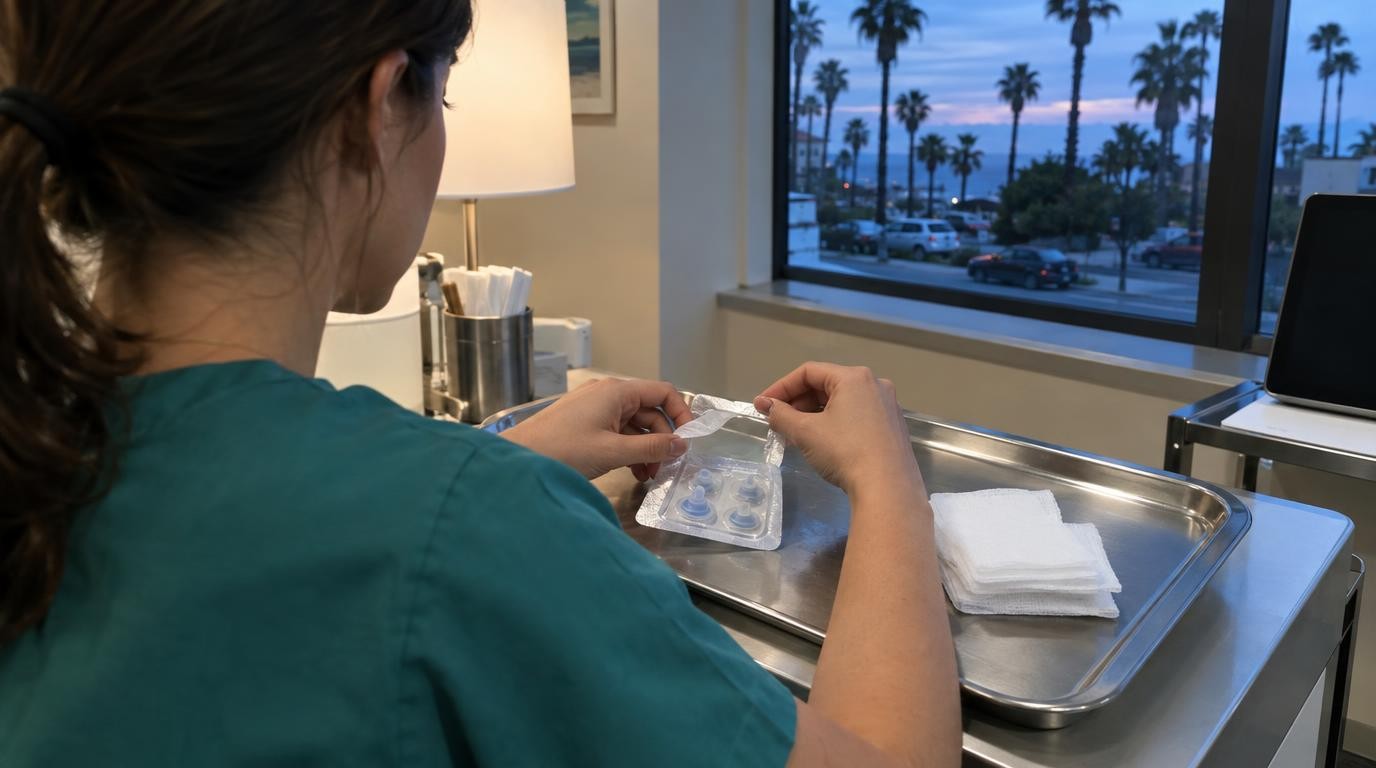
A 2026 single-group umbilicoplasty technique study in Aesthetic Surgery Journal Open Forum reported a small, vertically oval or circular navel with upper hooding and a concealed scar, high patient satisfaction, and no observed navel narrowing or tissue loss among 223 female abdominoplasty patients. The method began with an oval incision around the native navel. The authors positioned the new opening at the midpoint between the lower end of the breastbone and the pubic joint, removed an inverted crescent of skin, fixed the navel to connective tissue over the abdominal muscles, and closed the surrounding tissue to shape the opening.
Paraffin gauze and silicone plugs were part of that study’s postoperative protocol. Its reported outcomes were:
| Outcome | 2026 umbilicoplasty technique study |
|---|---|
| Highly satisfied | 72.6% of patients |
| Satisfied | 21% of patients |
| Neutral | 6.27% of patients |
| Observed navel narrowing or tissue loss | No cases in the 223-patient group |
Can that study predict how my belly button will look?
No. The study observed patients treated with a particular method; it was not a comparison of techniques, and every patient in its group was female. No observed cases of narrowing or tissue loss does not mean those risks are absent. Its method, satisfaction findings, and aftercare cannot be presumed for an individual patient or for CosmetiCare.
Who is a good candidate for a tummy tuck that changes the navel?
A tummy tuck that involves a new navel opening may suit someone with loose skin above and below the belly button, particularly when abdominal muscles also need tightening. A person whose concerns are confined below the navel may be better suited to a mini procedure. Suitability depends on the full abdominal assessment, health, and goals – not navel appearance alone.
Does loose skin above the navel affect the surgical plan?
Yes. Loose skin above the belly button may need to be pulled down and trimmed during a full or extended tummy tuck, making a new skin opening for the navel part of the plan. Our consultation also considers lower-abdominal skin and separated muscles. For a closer look at the muscle concern, see our guide to abdominal muscle separation after pregnancy.
Should you wait if your weight or pregnancy plans may change?
At CosmetiCare, we recommend reaching your goal weight or coming within 10 to 15 pounds of it before a tummy tuck. For patient safety, we also recommend reaching or being close to a BMI of 30. This is not an absolute eligibility cutoff: exceptions may depend on your anatomy and overall health. We assess your health, weight stability, and expectations during your consultation.
If you are planning a pregnancy, wait until after childbirth to undergo abdominoplasty. We recommend allowing several months after delivery before surgery.
Can liposuction reshape your belly button like a tummy tuck can?
Liposuction does not typically reshape the belly button in the way a full tummy tuck can. Liposuction removes localized fat; it does not remove loose abdominal skin or tighten separated abdominal muscles. A tummy tuck addresses skin and muscle concerns and may change the navel’s visible opening as the abdominal skin is tightened.
At CosmetiCare, patients mainly concerned about localized fat can discuss liposuction, while loose skin or muscle separation calls for a different assessment. The procedures can also be combined when appropriate. Liposuction alone should not be expected to create a new navel opening or correct overhanging skin.
How long does it take to recover from abdominoplasty?
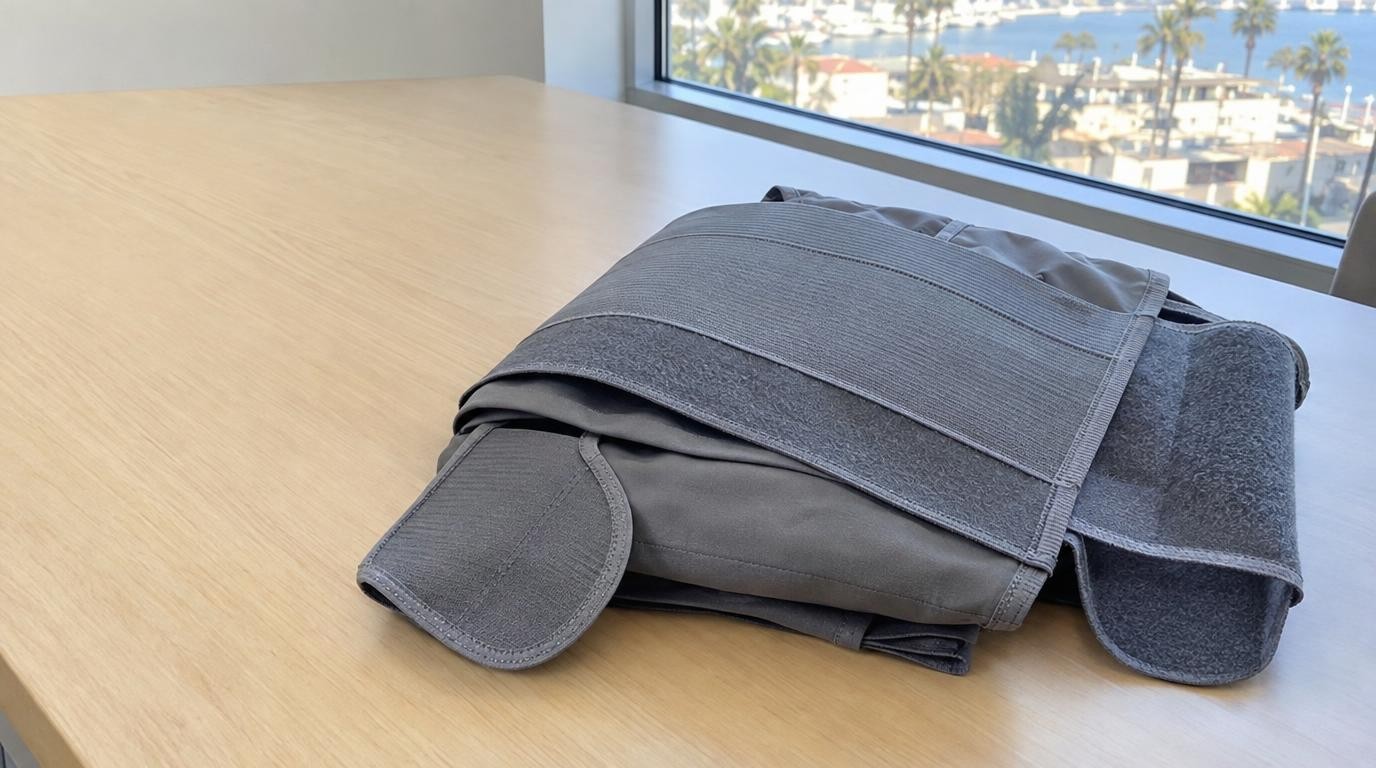
The American Board of Cosmetic Surgery estimates six to eight weeks for full recovery from a tummy tuck; some patients need around three months, and swelling and scars can keep changing longer. At CosmetiCare, patients may need help getting around for the first day or two. Bandages and a compression garment are part of initial care, and abdominal improvement may begin to show in one to two weeks, before the final result is visible.
For nonstrenuous work, plan on roughly two to three weeks away after a full tummy tuck; some patients return within one to two weeks after a mini tummy tuck. Physically demanding work may require about a month away from strenuous duties. Your surgeon will advise you based on your procedure and healing.
Avoid heavy lifting and too much activity during the first week. Arrange help with childcare, pet care, and other tasks that involve lifting or exertion, even after you can get around on your own.
Our aftercare instructions set out the activities and wound care appropriate to your procedure. For more preparation guidance, read our tummy tuck recovery guide.
How does the belly button change as swelling subsides?
Early swelling can obscure the navel’s intended shape. As swelling settles and incisions heal, the opening and scar may look different from how they appeared just after surgery. Cleveland Clinic’s tummy tuck recovery information says it can take up to three months to see the final abdominal result and that the scar may continue improving for up to one year. Our guide to how tummy tuck scars heal offers more context for scar changes.
Should you use a silicone plug during healing?
That study’s postoperative protocol is not a recommendation for your own healing. Use a navel dressing or device only if your surgical team directs you to do so.
How long do tummy tuck results last?
Our patients’ abdominal contours can be long-lasting when they maintain a healthy lifestyle and a stable weight. Significant weight changes, pregnancy, and aging can still alter the abdomen and the belly button’s appearance over time.
What risks or healing problems can affect the belly button?
A tummy tuck belly button can heal with a visible scar, asymmetry, or a shape different from the one planned. Other possible problems include infection, fluid buildup beneath the abdominal skin, narrowing of the navel opening, and impaired blood supply that can lead to tissue loss. Whether drains are used depends on the surgical approach and your surgeon’s assessment; a drainless closure aims to reduce fluid buildup but does not eliminate the risk. The absence of navel narrowing or tissue loss in one published patient group does not eliminate those risks.
When should you contact your surgeon about your navel?
Contact your surgical team for increasing redness, drainage, fever, worsening pain, or a concerning change in navel color. Seek prompt medical care for severe pain, bleeding, or swelling rather than waiting for a routine follow-up. Discuss your health, healing risks, and any pregnancy plans with your own clinician before surgery.
What should you ask about your belly button at a tummy tuck consultation?
Ask which tummy tuck approach fits your abdomen, whether your original navel will need a new skin opening, and what navel shape and scar placement are realistic. Also ask what dressings and follow-up are planned and which healing changes warrant a call. A natural-looking navel is a surgical goal, not a promised result.
A printed question list can make the discussion easier. Useful questions for your CosmetiCare consultation include:
- Is a mini, full, extended, or drainless tummy tuck the best match for my skin and muscles?
- Will my original belly button remain in its existing skin opening or come through a new one?
- How might my existing navel shape or scars affect the result?
- What navel dressings will I use, and when will you check healing?
- Which changes should prompt me to contact the surgical team?
Frequently Asked Questions
Why doesn’t Taylor Swift show her belly button?
We don’t know why Taylor Swift’s belly button may not be visible in a particular outfit or photo. Not showing a belly button is not evidence that someone has had a tummy tuck.
Will a belly button piercing scar go away with a tummy tuck?
A piercing scar may be removed if it lies in skin excised during your tummy tuck, but that depends on its location. An article on the American Society of Plastic Surgeons’ website notes that repairing a piercing scar can leave a more noticeable scar.
Can a belly button be revised after a tummy tuck?
Yes. A further procedure may address a bothersome belly button shape, size, or scar after a tummy tuck. Revision means operating again on an area that has already undergone surgery or developed scarring; the right approach depends on how the area heals.
How long does a tummy tuck belly button scar take to fade?
The Aesthetic Society says tummy tuck scars typically fade and flatten over three months to two years, although timing varies. That general range is not a guaranteed timeline for the scar around your navel.
What if I only have loose skin above my belly button?
A reverse tummy tuck may be an option when loose skin is limited to the upper abdomen and the lower abdomen is relatively tight. An article on the American Society of Plastic Surgeons’ website describes removing that excess skin through incisions typically placed along the lower breast fold.
Can a tummy tuck remove my C-section scar?
Sometimes. If your existing C-section scar falls within the planned incision or skin-removal area, it may be incorporated into the new tummy tuck scar. Mayo Clinic notes that this is possible, not automatic.
When can I exercise again after a tummy tuck?
Cleveland Clinic advises postponing strenuous exercise for four to six weeks after a tummy tuck. The extent of surgery and your healing affect when you can resume specific activities. At CosmetiCare, we provide aftercare instructions for your recovery; avoid pushing through pain or straining healing incisions.
What should you remember about your tummy tuck belly button?
A full tummy tuck usually keeps your original belly button while changing the skin around it; a mini tummy tuck generally leaves its opening alone. The natural-looking shape you hope for depends on the procedure, your anatomy, and healing. Understanding the proposed navel opening and aftercare is as useful as discussing the wider abdominal contour.
If you are considering a tummy tuck in Newport Beach, California, contact CosmetiCare for a consultation. We can assess your abdomen, explain how the proposed procedure may affect your belly button, and help you understand what to expect during recovery.
This information is general and is not medical advice. Talk to a licensed clinician about your own situation before making a treatment decision.
