

Last updated: November 24, 2026
Rhinoplasty for a button nose may create or refine a compact, rounded, slightly upturned tip by changing tip projection and rotation. The achievable shape depends on nasal structure, skin, breathing needs, and facial balance – not on a single technique or a photograph of someone else’s nose.
What Is a Button Nose, and Can Rhinoplasty Create One?
A “button nose” is an informal description, not a surgical diagnosis or a guaranteed result. Planning depends on the tip’s cartilage and support, the overlying skin, and how the tip relates to the bridge, nostrils, and rest of the face.
Why Is It Called a Button Nose?
It is called a “button nose” because its compact, rounded tip can resemble a small button. People use the term differently, though: it does not specify whether you want less width, a different angle, or a change in how far the tip extends. The American Society of Plastic Surgeons’ rhinoplasty guidance identifies tip shape, nostril position, and overall facial proportion as distinct considerations.
Can Rhinoplasty Refine a Nose That Already Looks Like a Button Nose?
Yes. Someone who likes their existing upturned nose may want a modest change to tip definition or symmetry rather than a different nasal shape. At CosmetiCare, we tailor rhinoplasty in Newport Beach to the patient’s anatomy and goals. If a rounded tip is the main concern, our discussion of rhinoplasty for a bulbous nose offers a closer look at tip refinement.
Can You Get a Nose Job Just for the Tip?
Yes. Nasal tip surgery can focus on the tip when the desired change is localized, without automatically changing the entire nose. A sound tip-only plan still considers the bridge, nostrils, septal support, and breathing. The extent of surgery follows the structures that need attention, not the nickname used to describe the desired shape.
When Might Tip-Only Surgery Be Enough?
Tip-focused surgery may fit when the bridge and nostrils are already in balance and the principal concern is tip shape or position. The American Board of Cosmetic Surgery’s nose reshaping guidance distinguishes tip-only reshaping from the incision approach: tip work may be performed through either open or closed access. A focused operation can still require careful work on the cartilage that holds the tip in place.
When Do the Bridge, Nostrils, or Breathing Also Need Evaluation?
A tip that looks too prominent may partly reflect the bridge beside it; nostril shape can also change how an upturned tip appears. Breathing concerns warrant an assessment of nasal support and the septum. Our rhinoplasty plan can include functional correction when a structural problem interferes with breathing, but a cosmetic tip concern does not mean every patient needs a full-nose change. For another example of how bridge and tip proportions interact, see rhinoplasty for an aquiline nose.
How Do Surgeons Support and Rotate a Button-Shaped Tip?
Surgeons shape a nasal tip by considering projection – how far the tip extends – and rotation – the tip’s upward or downward angle. Cartilage shaping is only part of that work: support beneath the tip helps hold its position. The appropriate method depends on the existing cartilage, septum, soft tissues, and desired change.
What Do Septal Extension Grafts and Columellar Struts Do?
A septal extension graft provides a support point connected to the septum; a columellar strut supports the area between the nostrils. Either may help a surgeon control tip position in an appropriate case. Tip projection also depends on the strength and arrangement of the lower lateral cartilages and their surrounding connections, so removing or reshaping cartilage without accounting for support can affect the profile.
In a study of lower lateral cartilage excision, researchers measured some loss of tip projection in all but one case, although visible loss was rare. Cartilage can still be trimmed when appropriate, but the surgeon must account for how doing so could affect support and projection.
Does Every Patient Need the Same Tip Graft?
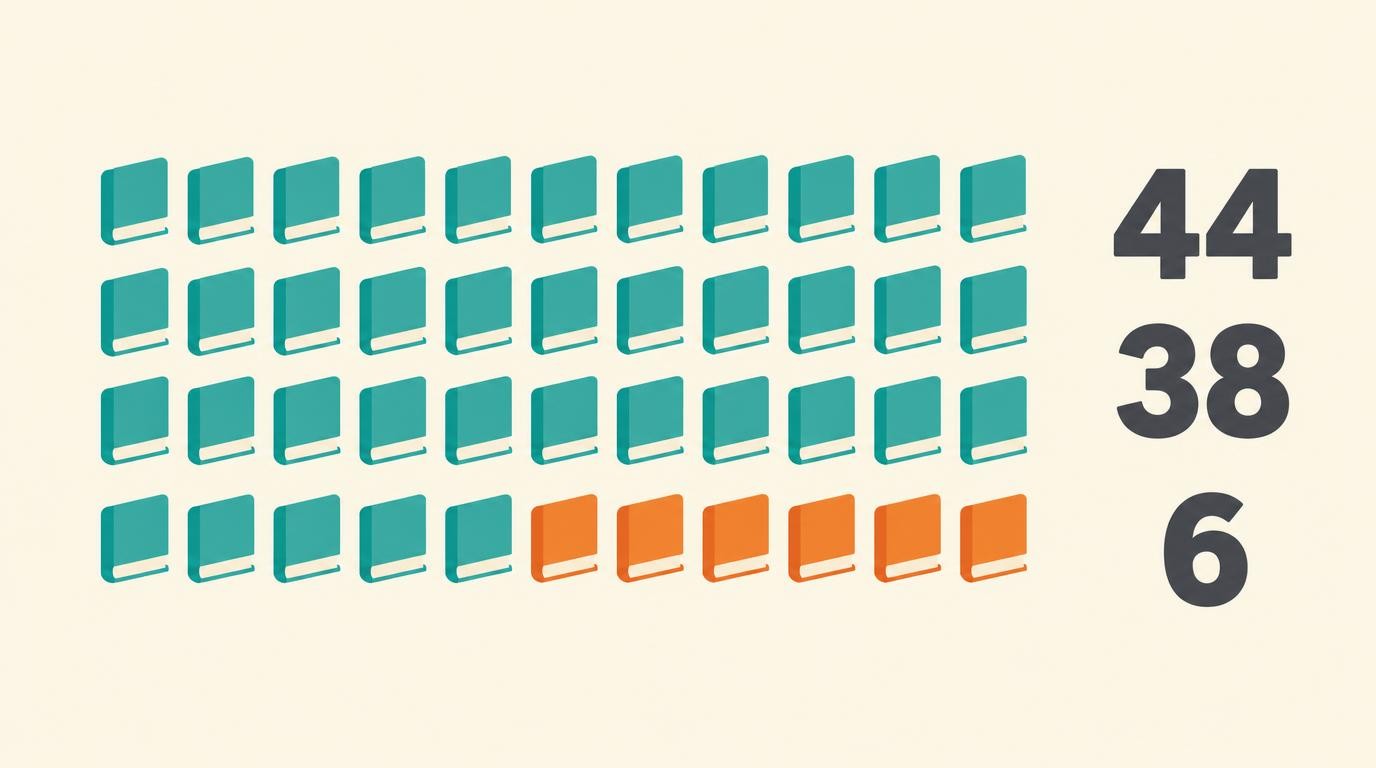
No. The 2023 systematic review of nasal tip graft outcomes found that more than one type of graft may produce satisfactory results. Its included studies varied in focus, so the review does not establish a universally best graft or promise a particular button-shaped result.
The review’s scope helps put that conclusion in context:
| 2023 systematic review of nasal tip graft outcomes: study detail | Reported finding |
|---|---|
| Studies included | 44 |
| Study designs | 38 observational studies and six randomized trials |
The review Fundamental Principles in Aesthetic Rhinoplasty emphasizes systematic nasal analysis and notes that no single tip-refinement maneuver applies to every patient. Graft selection, when a graft is needed, follows the structural needs of the nose rather than the nickname for the desired shape.
How Do Open and Closed Rhinoplasty Compare for Tip Work?
Open rhinoplasty uses a small incision across the columella, the tissue between the nostrils, to provide greater visibility and access. Closed rhinoplasty places incisions inside the nose and has no external incision. Either approach may be considered for tip work; the surgeon selects access according to the changes required. The principal trade-offs are:
| Approach | Access and scar | Tip swelling |
|---|---|---|
| Open | Greater exposure; a small columellar scar that usually becomes less noticeable | May last longer than with a closed approach |
| Closed | Less exposure; no external incision or visible external scar | Generally less than with an open approach, although healing varies |
What Are the Disadvantages of Open Rhinoplasty?
The American Academy of Facial Plastic and Reconstructive Surgery’s patient overview of nasal cosmetic surgery notes that open rhinoplasty leaves a small columellar scar that usually fades, and that swelling and the overall recovery period are generally longer than with closed surgery. An American Society of Plastic Surgeons’ nasal surgery practice parameter also identifies longer operating time and rare complications, including prolonged tip swelling, separation of the columellar incision, and delayed healing. These trade-offs do not rule out open surgery when its greater access is needed.
When Might Closed Rhinoplasty Be Appropriate?
Closed access is commonly considered for relatively minor adjustments that can be made through internal incisions. More extensive reshaping may need the greater exposure of an open approach. Closed surgery avoids a columellar incision, but requesting a “button nose” does not determine which approach is right for you. At CosmetiCare, we choose after assessing the changes your nose needs.
What Happens During Button-Nose Rhinoplasty at CosmetiCare?
Button-nose rhinoplasty at CosmetiCare begins with a consultation about nasal structure, skin quality, medical history, breathing, and appearance goals. The surgeon then plans the necessary tip and, if indicated, bridge or nostril work. We perform rhinoplasty under general anesthesia at our Newport Beach, California, practice.
How Is the Surgical Plan Discussed Before the Procedure?
A consultation turns an appearance description into specific goals: how much tip projection or rotation you want, what should remain unchanged, and whether breathing needs attention. Our virtual imaging can illustrate possible changes, but a simulation is not a prediction or a guarantee. Looking at CosmetiCare’s before-and-after gallery can also help you discuss the kinds of results you find natural, while recognizing that another patient’s outcome cannot be reproduced exactly.
What Happens on Surgery Day?
Under general anesthesia, the surgeon uses the planned open or closed approach and addresses the tip, bridge, or nostrils as needed. Our rhinoplasty procedures can take several hours. The exact steps depend on the structures being changed and whether functional correction is part of the plan.
Who Is a Good Candidate, and What Risks Should They Discuss?
Good candidates for elective rhinoplasty are generally healthy nonsmokers with realistic goals and anatomy suited to the proposed change. Early swelling, bruising, and soreness are expected; bleeding, infection, anesthesia problems, scarring, asymmetry, or breathing changes are possible complications. Personal health and surgical details determine which risks deserve particular attention.
Who Should Delay or Avoid Elective Rhinoplasty?
Our candidacy assessment includes skin quality, nasal structure, and medical history. Someone who currently smokes, is not medically cleared for surgery, or expects an exact copy of an inspiration photo may need to postpone surgery or reconsider the goal. Adult patients should discuss their own health conditions and suitability with a licensed clinician before deciding on rhinoplasty.
What Side Effects and Complications Should Patients Ask About?
Changes in breathing or tip symmetry, an unfavorable scar, or a healing problem may require further evaluation or revision. An American Society of Plastic Surgeons article on preparing for rhinoplasty cites a published estimate of a 5%–15% rhinoplasty revision rate; that is not a CosmetiCare rate or the likelihood of any one complication. Call our surgical team promptly for persistent bleeding, fever, or redness, swelling, or pain that worsens rather than improves. Seek urgent care for severe bleeding, significant breathing difficulty, or a sudden vision change. These warning signs differ from the swelling and soreness expected early in recovery.
How Long Does Healing Take, and Will My Nose Get Smaller as It Heals?
Your nose may look smaller as swelling subsides, including after four months, while final contour refinement can take about a year. An article about rhinoplasty recovery on the American Society of Plastic Surgeons’ website notes that tip swelling tends to linger longer than swelling elsewhere on the nose, particularly after an open approach.
What Happens During the First Week After Rhinoplasty?
Our typical early-recovery sequence is:
- Immediately after surgery, we bandage your nose and may place a splint for up to 7 days.
- For the first 24 hours, arrange for an adult to drive you home and help you.
- During the first few days, swelling, bruising, and soreness are generally at their worst.
- We provide an aftercare plan and prescription pain medication. Most patients can switch to over-the-counter pain relief after 3–4 days, subject to their individual aftercare instructions.
- Over the following weeks and months, those symptoms gradually ease. Follow the aftercare plan and attend your scheduled follow-up visits.
Will My Nose Get Smaller as Healing Continues?
The tip may look more refined as swelling resolves, but healing does not guarantee a specific reduction in visible size. Residual swelling in our patients can persist for up to 12 months; the American Society of Plastic Surgeons’ rhinoplasty results page likewise notes that contour refinement can take up to a year. Recovery varies with the operation and the individual; our discussion of rhinoplasty recovery research provides further context.
Can Liquid Rhinoplasty Create a Button Nose Instead?
In selected patients, filler may subtly change the tip’s appearance, but it cannot create a smaller, structurally reshaped button nose. Liquid rhinoplasty is an off-label use of dermal filler that temporarily adds contour rather than surgically reshaping the nose. At CosmetiCare, we may consider it for selected concerns such as minor asymmetry or depressions.
What Can Filler Change About the Tip’s Appearance?
Filler can add subtle contour, improve the appearance of symmetry, camouflage a bump or depression, or change the tip’s appearance in selected patients. Those changes are temporary. An article about liquid rhinoplasty on the American Society of Plastic Surgeons’ website explains that added volume can create the illusion of a smoother profile but cannot remove tissue or make the nose smaller.
Why Can’t Filler Replace Structural Tip Surgery?
Filler cannot reposition the nasal framework or correct a breathing obstruction, and major tip refinement generally requires surgery. Bruising, swelling, or tenderness can follow an injection. Rare but serious complications of filler entering a blood vessel include skin injury, vision loss, or stroke. Sudden severe pain, pale or dusky skin, or any new vision symptom after an injection requires immediate emergency care.
Could a Thread-Based Nose Lift Address Mild Tip Drooping?
A thread-based nose lift described by the American Society of Plastic Surgeons may offer a subtle change in tip projection or lift a mildly drooping tip in selected patients. It cannot substitute for surgical correction of substantial structural changes or breathing problems.
What Should You Ask at a Button-Nose Rhinoplasty Consultation?
A useful plan specifies the intended changes to tip projection and rotation, the support needed to hold them, and how breathing will be protected. An American Society of Plastic Surgeons article recommends focusing on the three features that bother you most and expecting improvement rather than perfection.
Which Tip-Support Strategy Fits My Anatomy?
Tip support may come from reshaping and suturing existing cartilage or, when additional support is needed, adding a columellar strut or septal extension graft. The choice depends on the tip’s existing support and the intended change; neither graft is mandatory simply because the goal is an upturned tip. Skin thickness can also limit how much of the reshaped cartilage’s definition will be visible.
How Will You Assess My Breathing and Set Realistic Goals?
Breathing evaluation considers whether the septum or other internal structures narrow the airway. A deviated septum that obstructs breathing may be addressed with septoplasty; other structural problems may call for functional rhinoplasty. Cosmetic changes should preserve nasal support and airflow, and a virtual image cannot establish the exact result surgery will achieve.
Frequently Asked Questions
Can I blow my nose right after rhinoplasty?
Avoid blowing your nose until your surgeon says it is safe; forceful pressure can disturb healing tissues. If congestion bothers you, ask our team how to manage it during your recovery.
When can I go back to work after button-nose rhinoplasty?
Patients typically return to work after 1 to 2 weeks, according to the American Board of Cosmetic Surgery. Your timing depends on your recovery and the demands of your job. At CosmetiCare, we provide an individualized aftercare plan and follow-up appointments to help guide that decision.
When can I wear glasses after rhinoplasty?
We advise avoiding glasses for 1 to 2 months after rhinoplasty because frames can put pressure on a healing nose. Contact lenses may be an option during that period if you can wear them.
Can thick skin make a button-shaped tip harder to achieve?
Yes. Thick skin may make a sharply defined, compact tip harder to achieve because it must settle over the reshaped nasal framework. It can also mean a longer healing period. Even after swelling resolves, thicker skin can soften the visible definition of the cartilage underneath.
How long should I wait before considering a revision to my nasal tip?
We advise waiting at least 12 months before revision rhinoplasty because residual swelling can persist for up to a year. A tip that looks uneven or less defined during healing may still change. If you have a breathing problem or another concerning symptom, contact our surgical team rather than waiting.
Can a teenager get rhinoplasty for a button nose?
Nasal growth and overall physical maturity are important considerations for anyone under 18. A teenager with questions about nose shape or breathing should discuss their development and any medical concerns with a pediatrician or family doctor.
Will a button-shaped tip last permanently after rhinoplasty?
We consider the surgical change permanent, but a button-shaped tip will not necessarily look identical throughout life. Its appearance settles gradually during healing, and natural aging can later change the nose somewhat.
What Is the Next Step Toward a Balanced Tip?
If you are coming from Westminster, California, CosmetiCare welcomes you to discuss your goals with Dr. Michael Niccole, MD, FACS, Dr. Brian Reagan, MD, FACS, and our team at our Newport Beach practice. To arrange a rhinoplasty consultation, contact CosmetiCare at 949-647-5399.
This information is general and is not medical advice. Talk to a licensed clinician about your own situation before making a treatment decision.
About the doctors at CosmetiCare
Dr. Michael Niccole, MD, FACS – Founder and Medical Director of CosmetiCare Plastic Surgery Center & MedSpa.
Dr. Brian Reagan, MD, FACS – Plastic surgeon.
