

Last updated: November 15, 2026
Rhinoplasty for an aquiline nose can smooth a prominent bridge and, when appropriate, refine the tip to create a profile that suits your face. Whether the bridge needs dorsal hump reduction, a change in projection, or both depends on your nasal structure, skin, breathing, and goals. At CosmetiCare, our rhinoplasty consultations in Newport Beach begin with an individualized assessment rather than a prescribed nose shape.
What Can Rhinoplasty Change About an Aquiline Nose?
Rhinoplasty can reduce or reshape the prominent bridge associated with an aquiline nose and adjust the nasal tip when that would improve facial balance. A curved bridge is not necessarily an overprojected nose, and a visible hump does not establish a breathing problem. An in-person examination determines which changes are appropriate for your structure and goals.
What Is an Aquiline Nose, and What Is a Dorsal Hump?
An aquiline nose has a bridge that appears curved or prominent in profile. A dorsal hump is a distinct raised area along that bridge. A dorsal hump can involve nasal bone, cartilage, or both. The aim is a nose that fits your features, not the same profile for every patient.
How Can You Tell If Your Nose Is Overprojected?
Look at your nose from the side: if the tip appears to extend far forward relative to the rest of your face, projection may be part of your concern. A prominent hump describes the bridge’s contour; by itself, it does not show how far the tip projects. Chin proportions can also make a nose appear more prominent. Mayo Clinic’s rhinoplasty guidance explains that planning considers other facial features, nasal skin, and the changes a patient wants. Our discussion of chin augmentation options explores another aspect of profile balance. We can assess your profile and nasal structure to determine whether projection, bridge contour, or neither needs changing to meet your goals.
How Do Surgeons Reduce an Aquiline Dorsal Hump?
Surgeons can reduce an aquiline hump by repositioning and preserving the existing bridge or by reshaping its structural components. These are hump-reduction strategies, not the same choice as open versus closed access. The appropriate plan depends on bridge anatomy, desired contour, tip support, and any structural breathing concerns.
How Do Dorsal Preservation and Component Hump Reduction Differ?
Dorsal preservation rhinoplasty lowers or repositions the bridge while keeping its surface connections largely intact. Component dorsal hump reduction reshapes the relevant bone and cartilage to create a new contour. The American Academy of Facial Plastic and Reconstructive Surgery’s patient information on nasal cosmetic surgery distinguishes preservation from reducing a hump from the top down and notes that preservation may be performed through open or closed access. Neither method is the automatic choice for every aquiline bridge.
When Might a Surgeon Use Open or Closed Rhinoplasty?
Open and closed describe where the surgeon makes incisions, rather than how the hump is reduced. Open access may be useful when complex structural changes require greater visibility and control. At CosmetiCare, the surgeon makes a small incision across the columella at the base of the nose, which may leave an external scar. Closed access may suit changes the surgeon can make through incisions inside the nose, without an external incision. Neither approach is always preferable; we select access based on the planned work. Surgery is performed under general anesthesia and can take several hours.
What Do Patients Report After Aquiline Nose Hump Reduction?
Patients in published research generally reported improved appearance after both dorsal preservation and component hump reduction. Pooled satisfaction was high, but the available comparison did not establish that either technique produces a better result for every patient. Study averages describe groups, not the result or revision risk of an individual operation.
Is Dorsal Hump Removal Worth It?
That depends on whether the change you want is achievable and meaningful to you, weighed against recovery and surgical risks. A 2024 systematic review and proportion meta-analysis of patient-reported outcomes pooled 25 studies and 1,706 participants. In that 2024 meta-analysis, reported satisfaction ranged from 84% to 100% across the included studies, while the pooled analysis found approximately 2 revisions per 100 treated patients. Those revision findings are not a personal risk estimate.
The same 2024 meta-analysis reported the following survey changes. Lower scores on these measures reflected improvement in the reported analysis.
| SCHNOS score change in the 2024 systematic review and meta-analysis | Component reduction | Dorsal preservation |
|---|---|---|
| Cosmetic SCHNOS score improvement | 53.7 points | 55.3 points |
| Obstructive SCHNOS score improvement | 27.3 points | 19.5 points |
SCHNOS is a patient-reported survey of nasal appearance and obstruction. The 2024 meta-analysis authors suggested that component reduction may offer greater improvement in obstructive symptoms than dorsal preservation, but that comparison does not establish the better technique for every patient. A separate 2024 randomized prospective study found no statistically significant difference in functional outcomes between its two groups. These findings do not guarantee an appearance change or breathing improvement after hump removal.
Does the Evidence Identify a Better Hump-Reduction Technique?
The 2024 meta-analysis found no statistically significant difference in satisfaction between approaches (P = 0.18); that result does not prove the techniques are equivalent. In the 2024 randomized prospective study, researchers assigned 50 patients to two groups of 25 and also found no statistically significant difference in aesthetic outcomes. We use these findings alongside your anatomy and goals rather than assuming one method is universally superior.
Who Is a Good Candidate for Aquiline Nose Rhinoplasty?
A good candidate is generally a healthy nonsmoker who wants a feasible change to nasal shape or projection and has realistic expectations. At CosmetiCare, we assess skin quality, nasal structure, and medical history before recommending a plan. Bridge prominence, asymmetry, and breathing symptoms require separate evaluation because the same operation will not suit every concern.
Is It Better to Have Thick or Thin Skin for Rhinoplasty?
Neither thickness is universally better. Thicker, oilier skin is associated with more postoperative swelling and scar formation, and it may not adapt as well to a smaller nasal framework after reduction. Thinner skin can show changes to the underlying bone and cartilage more clearly, but it can also make small contour irregularities easier to see. We assess your skin and nasal structure together; neither skin type guarantees a better result. Our guide to rhinoplasty for a bulbous nose explains how skin thickness and tip structure can shape the result.
Does Rhinoplasty Fix a Crooked Nose?
Rhinoplasty can address nasal asymmetry, but straightening a crooked nose may require more than reducing a hump. The plan depends on which parts of the bridge or tip are misaligned and whether internal structures affect airflow. A deviated septum can be addressed with septoplasty when indicated; a visible hump by itself does not mean the septum is deviated or breathing is impaired.
Can Liquid Rhinoplasty Replace Surgery for an Aquiline Nose?
Liquid rhinoplasty can camouflage some minor bridge irregularities, but filler cannot remove a dorsal hump or make an aquiline nose physically smaller. The injectable change is temporary and works by adding volume. Pronounced structural concerns, a goal of reducing nasal size, or breathing problems call for evaluation of surgical options instead.
Can Filler Make an Aquiline Nose Smaller?
No. Filler may make a modest hump less noticeable by adding volume around it, creating a smoother-looking line without reducing the underlying bridge. An article on the American Society of Plastic Surgeons’ website explains that adding volume can even make the nose look slightly larger overall. Surgery, by contrast, can reduce or reshape the underlying structures.
When Might a Nonsurgical Nose Job Be Appropriate?
At CosmetiCare, a temporary injectable approach may suit someone seeking a subtle improvement in symmetry, a small depression, or the appearance of a minor bump. It cannot correct more pronounced nasal concerns in the way surgery can. Filler injection into the nose is an off-label use of dermal fillers. Accidental injection into a blood vessel can cause skin injury or vision loss.
What Happens During an Aquiline Nose Rhinoplasty Consultation and Surgery?
We plan aquiline nose rhinoplasty in three steps at our Newport Beach practice:
- Discuss the change you want and examine the bridge, tip, skin, nasal structure, and breathing.
- Use virtual simulation to discuss potential outcomes. The image is a planning aid, not a promise of the final result.
- Choose an open or closed approach and tailor the structural changes to the examination findings.

How Does CosmetiCare Plan the Shape of the Bridge and Tip?
We assess the bridge from the front and in profile and distinguish a hump from overall projection or a tip concern. We also assess whether the proposed changes would affect nasal support or airflow.
Can Breathing Concerns Be Addressed During the Same Operation?
Yes, when the examination identifies a structural problem that warrants correction. Cosmetic bridge or tip work may be combined with functional surgery, such as septoplasty for an obstructing deviated septum. For patients in Irvine, consultations and surgery take place at our Newport Beach practice.
How Long Does Recovery Take After Aquiline Nose Rhinoplasty?
Rhinoplasty recovery unfolds over weeks and months, even though the most noticeable soreness, bruising, and swelling usually occur early. At CosmetiCare, most patients can switch from prescription to over-the-counter pain medication after 3-4 days. Bandages and a possible splint protect the nose initially.
When Is the Splint Removed?
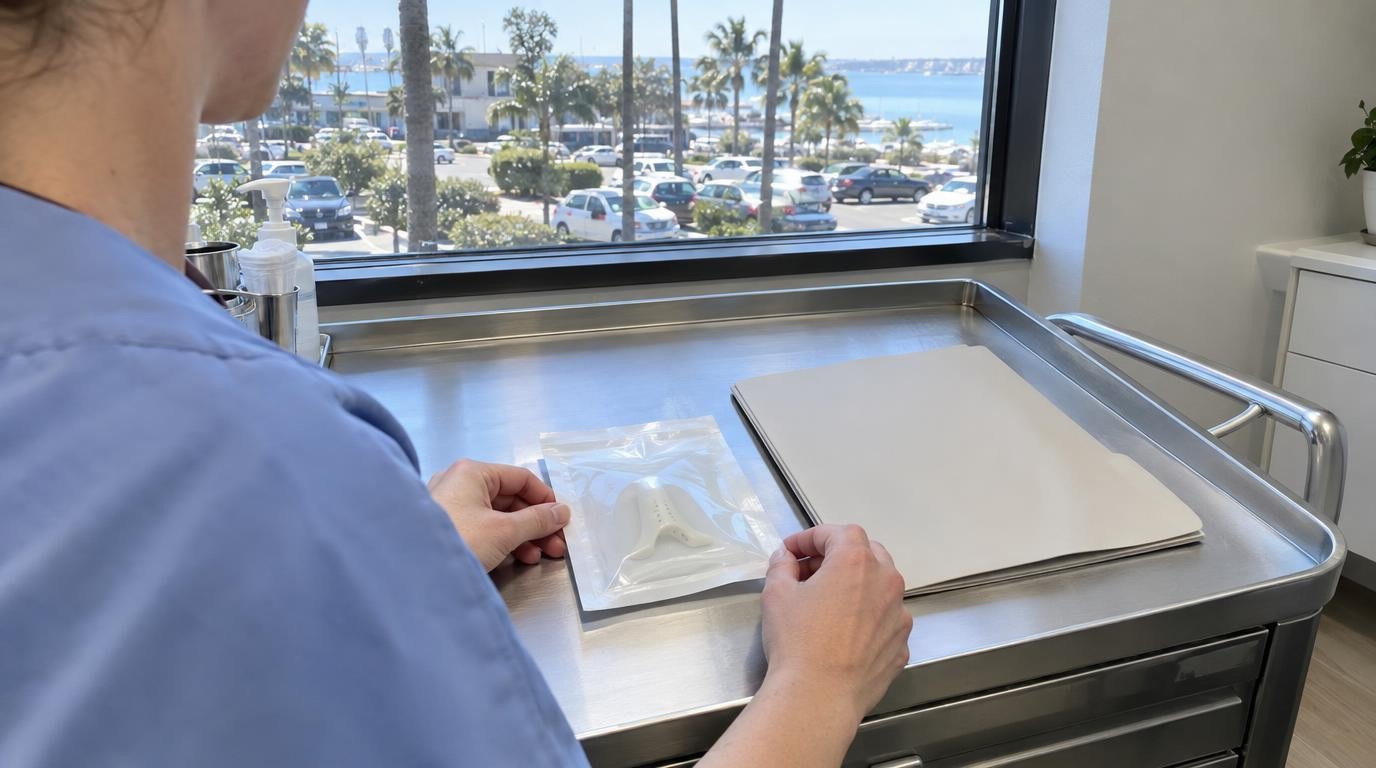
At CosmetiCare, a splint may remain in place for up to 7 days after surgery. Arrange for an adult to drive you home and help during the first 24 hours. Swelling, bruising, and soreness are generally most noticeable during the first few days, then gradually improve. For related information, read our article on rhinoplasty recovery.
When Will the Final Bridge Shape Be Clear?
The bridge becomes easier to assess as swelling subsides over the following weeks and months. After rhinoplasty at CosmetiCare, residual swelling may last up to 12 months, so an early profile is not the settled result. Keep follow-up appointments and use the aftercare plan provided for your operation.
What Are the Risks, and Who Should Avoid Aquiline Nose Rhinoplasty?
Aquiline nose rhinoplasty carries surgical risks as well as the possibility that the healed contour or breathing will differ from expectations. Bleeding, infection, anesthesia-related complications, persistent swelling, asymmetry, and revision are important discussion points. Poor general health, active smoking, or unrealistic expectations may make surgery inappropriate until suitability is reassessed.
What Complications Should You Discuss Before Nose Surgery?
Ask how the proposed bridge and tip changes could affect support and airflow, and discuss the possibility of an unsatisfactory contour, breathing changes, or further surgery. Seek prompt medical assessment for heavy or persistent bleeding, fever with worsening redness or swelling, or significant trouble breathing. After nasal filler, sudden severe pain, unusual skin color changes, or any vision change needs urgent medical attention. Discuss your own risks and warning signs with your licensed clinician before choosing either procedure.
When Should You Postpone or Reconsider Surgery?
A health concern that affects surgical safety may call for medical clearance or postponement. If the result you want cannot reasonably be achieved with your anatomy, reconsidering the proposed change is part of making an informed decision.
Frequently Asked Questions
Can I wear glasses after aquiline nose rhinoplasty?
After rhinoplasty at CosmetiCare, avoid wearing glasses for 1-2 months so they do not rest on the healing bridge. Contact lenses may be used during that period if needed.
Will insurance cover surgery to remove a dorsal hump?
Insurance generally does not cover rhinoplasty performed solely to change the appearance of a dorsal hump. If an examination identifies a breathing problem, insurance may cover medically necessary work such as septoplasty, turbinate reduction, or nasal valve repair. Check your insurer’s coverage requirements for medically necessary nasal surgery before scheduling.
Are aquiline nose rhinoplasty results permanent?
Yes, the healed surgical result is generally considered permanent because rhinoplasty changes the nasal framework. Aging may slightly change the nose’s shape or size over time.
How long should I wait before revision rhinoplasty?
At CosmetiCare, revision surgery is generally deferred until at least 12 months after the first operation because swelling and nasal shape can continue to change. You do not need to wait to discuss a concern: contact your surgeon sooner about healing worries, particularly new or worsening symptoms.
What should a teenager do about a prominent nasal bridge or breathing concern?
An adolescent’s nose may still be growing, and a prominent bridge alone does not establish a need for treatment. A teenager concerned about nasal appearance or breathing should speak with a pediatrician or family doctor about development and any symptoms.
Is it normal for one side of my nose to look more swollen after rhinoplasty?
Yes, uneven swelling can occur during rhinoplasty healing and may temporarily make the nose look crooked. Cleveland Clinic describes this as asymmetrical healing, not necessarily a surgical mistake. Keep your follow-up appointments, and contact your surgeon if the swelling worsens or you have other concerning symptoms.
Will removing an aquiline hump require a cartilage graft?
Not necessarily. Grafting depends on the planned changes and the nasal support needed. Mayo Clinic notes that cartilage for small changes may come from inside the nose or the ear; larger changes may use cartilage from a rib, an implant, or bone from another part of the body.
How Can You Decide Whether to Change Your Aquiline Nose?
Decide by comparing the specific profile change you want with what an examination shows is achievable, then weighing surgery, filler, recovery, and risks. Dorsal preservation and component reduction are options rather than guaranteed routes to a particular look. A useful consultation should leave you understanding the proposed changes to both nasal appearance and function.
What Should You Ask at a Rhinoplasty Consultation?
- Is my main concern a dorsal hump, overall projection, tip shape, asymmetry, or a combination?
- What do my skin, bridge, tip support, and airway findings mean for the proposed result?
- Would preservation or component hump reduction suit my anatomy, and why?
- Could filler meet my goal, or do I want a change that requires surgery?
- What should I expect during recovery, and what risks apply to the proposed procedure?
If you are considering a change to your aquiline nose and come from Irvine or nearby, contact CosmetiCare for a rhinoplasty consultation at our Newport Beach practice. We can examine your nose, discuss what matters most to you, and explain a plan suited to your appearance and breathing goals without promising a particular outcome.
This information is general and is not medical advice. Talk to a licensed clinician about your own situation before making a treatment decision.
