
Last updated: November 5, 2026
Fat transfer to the breasts can add a modest amount of volume without an implant or help restore breast contour after cancer treatment.
What Is Fat Transfer to Breast Tissue?
Fat transfer to breast tissue generally involves liposuction to collect a patient’s fat, preparation of that fat, and placement in the breasts for a typically modest increase in size. Our fat transfer service in Newport Beach primarily addresses facial volume concerns.
The American Society of Plastic Surgeons’ guide to fat transfer breast augmentation presents the procedure as an option for people who want a relatively small increase in breast size. The fat comes from the patient’s own body, but obtaining and placing it still requires surgery.
How Is Breast Fat Grafting Different From Implants?
Breast fat grafting adds the patient’s own tissue rather than placing a saline- or silicone-filled implant. Fat can help with a subtle volume change or a specific contour concern, but some of it is reabsorbed. Implants are a separate option when a patient wants a larger increase; neither approach substitutes for a lift when the main concern is sagging.
Does CosmetiCare Offer Fat Transfer to the Breasts?
Breast fat grafting is not confirmed as an available CosmetiCare service. With our Newport Beach fat-transfer service, we primarily treat hollow cheeks, laugh lines, and other facial hollows or indentations. We also offer breast augmentation and breast lifts. Read about fat transfer to the face, including how the procedure works and what to expect afterward.
Who Might Be a Candidate for Breast Fat Grafting?
A potential breast fat-grafting candidate wants a subtle increase, has enough suitable donor fat, and can undergo surgery after an assessment of breast health and overall health. Weight stability and existing breast shape also matter. Fat grafting adds volume but does not lift sagging breasts.
The Cleveland Clinic’s fat transfer guidance identifies good health, adequate donor fat, being close to your ideal weight, and realistic expectations as candidate considerations. It also identifies not smoking, or being able to quit, as a consideration.
What Are Ozempic Breasts?
“Ozempic breasts” is an informal term for breast volume or shape changes noticed after substantial weight loss, not a medical diagnosis or a change proven to be specific to one medication. An article on the American Society of Plastic Surgeons website explains that patients may notice reduced fullness, looser skin, sagging, or a combination. With substantial weight loss, breast volume can decrease without the surrounding skin shrinking at the same rate.
How Does a Fat Transfer Procedure Work?
A breast fat transfer generally begins with liposuction at a donor site, followed by preparation of the harvested fat and careful placement in the breasts. Harvesting supplies the tissue, preparation readies it for transfer, and placement shapes the intended volume change. The precise technique and anesthesia plan depend on the breast procedure and the patient. The Cleveland Clinic’s breast fat-transfer guidance says the procedure can take between three and four hours, although timing varies by case.
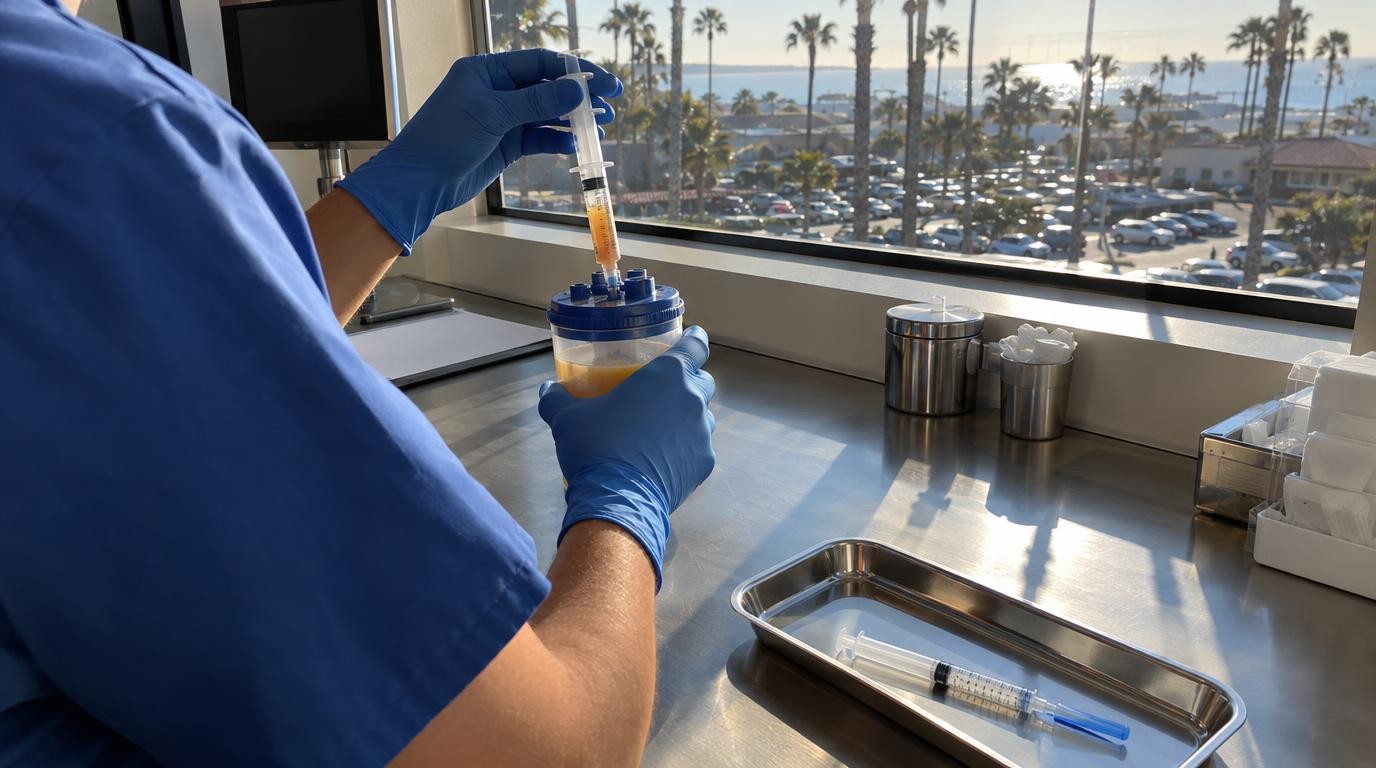
A breast fat-grafting policy from the American Society of Plastic Surgeons notes that harvested fat may be washed, filtered, strained, decanted, or processed in other ways before placement.
Liposuction may leave the donor area looking slimmer, but fat transfer is not a weight-loss procedure. You should not expect a drastic change at the donor site.
How Does CosmetiCare’s Documented Facial Procedure Differ?
For facial fat transfer at CosmetiCare, we:
- Harvest fat with liposuction from the thighs, abdomen, or lower back.
- Purify and prepare the harvested fat.
- Inject small amounts into selected facial areas to add volume.
We perform facial fat transfer under general anesthesia.
What Happens to Mammograms After Breast Fat Transfer?
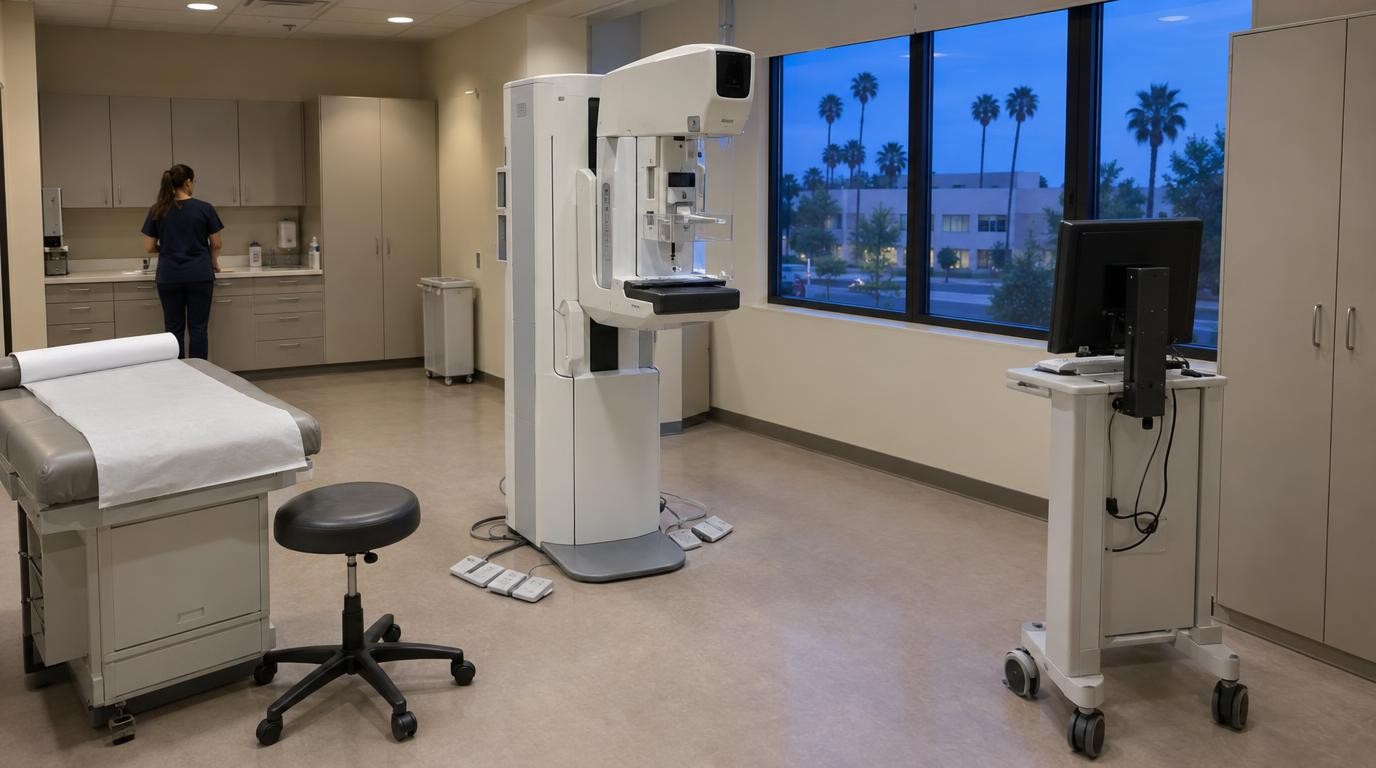
A mammogram after breast fat transfer may show changes related to grafted fat, including fat necrosis, cysts, or calcifications. An imaging team may recognize a benign pattern or recommend additional evaluation when a finding is unclear. Tell the team about prior grafting, keep up with recommended screening, and complete any advised diagnostic follow-up.
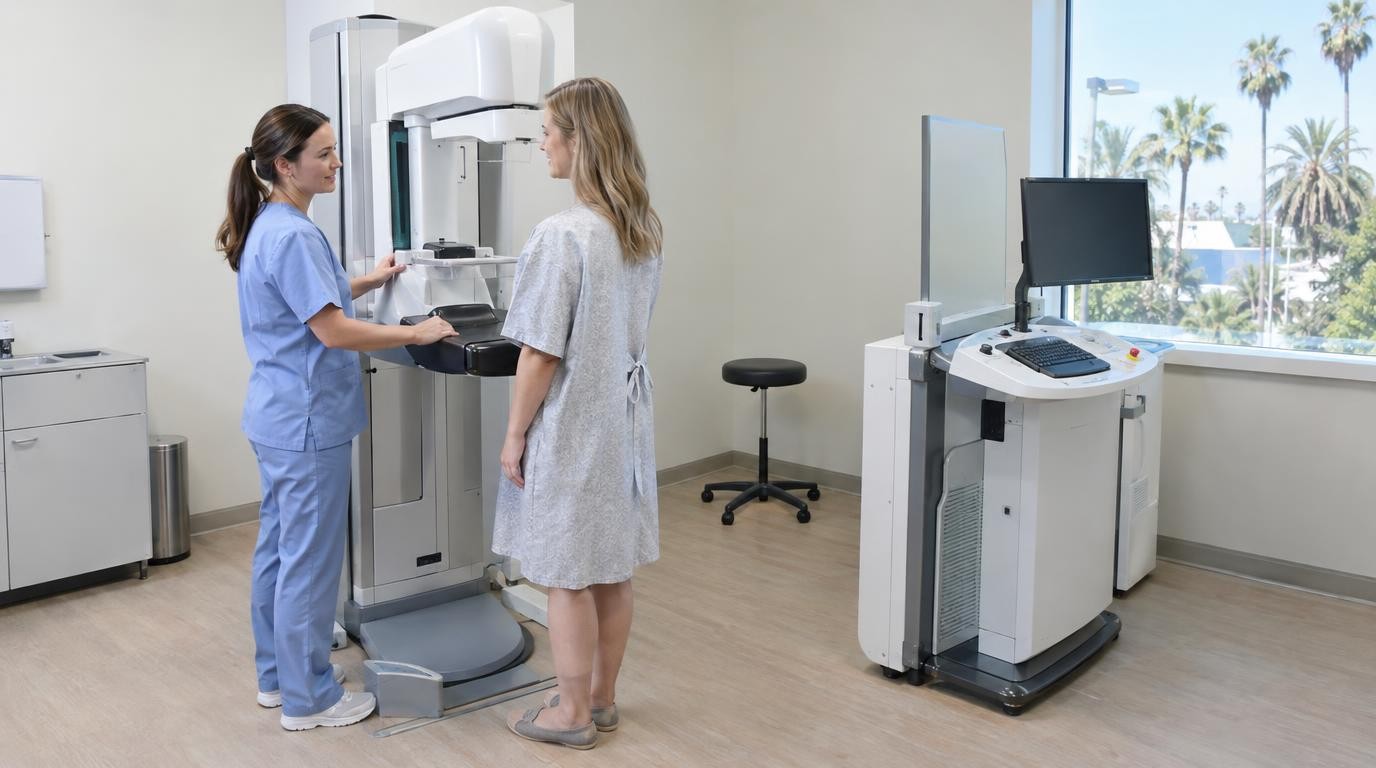
The American Society of Plastic Surgeons’ breast fat-transfer safety guidance lists cysts, microcalcifications, and fat-cell necrosis among possible risks. Fat necrosis can also produce oil cysts. The Groen review of cosmetic breast fat grafting and the Seth review of breast fat grafting address breast augmentation using transferred fat.
Can Fat Grafting Affect Breast Cancer Screening?
Fat grafting can affect what appears on breast images, but an imaging change is not automatically cancer or automatically harmless. The Cleveland Clinic’s breast fat-transfer guidance notes that mammograms still work well for most people after the procedure while also identifying microcalcifications as a possible finding. Prior images and a clear surgical history can help the imaging team decide whether a new finding needs further assessment.
How Long Is Recovery After Breast Fat Transfer?
Breast fat-transfer recovery varies with the amount of liposuction and grafting, the donor sites, and your health. Expect swelling, bruising, and soreness in both the breasts and the liposuction areas during early recovery. A return to light routines or desk work may be possible within several days to a week, while strenuous exercise often needs to wait several weeks. These are general estimates: your operating surgeon should tell you when each activity is safe for you.
Your surgeon may recommend a compression garment for the liposuction donor area and give you separate instructions for caring for your breasts.
Does Fat Grafting Work for Breast Augmentation?
Breast fat grafting can add volume without an implant, but the final size varies because some injected fat is reabsorbed. The American Board of Cosmetic Surgery’s guide to breast augmentation risks describes an increase of up to about one cup size, or 200 cc, as an approximate goal—not a promised result. A larger increase or uneven fat retention may call for another grafting session.
An article on the American Society of Plastic Surgeons website describes roughly half a cup to a full cup as an ideal goal for one surgeon’s patients and quotes a surgeon who says a substantial increase may take two to three procedures. The ASPS article also quotes an estimate of approximately 50 to 70 percent fat retention; your result may differ. Our overview of fat transfer results research offers further context.
How Long Do Breast Fat Transfer Results Last?
Cleveland Clinic states that breast fat cells surviving the initial absorption can remain for life, although no final breast size can be promised. The American Board of Cosmetic Surgery’s breast fat-transfer guide explains that later weight loss can reduce breast volume, so maintaining a stable weight can help preserve your result.
What Are the Risks of Fat Transfer Breast Augmentation?
Breast fat-transfer risks include infection, bleeding, liposuction-site effects, uneven contour, fat necrosis, cysts, calcifications, and loss of some transferred volume. An unclear breast-imaging finding may lead to additional imaging or a biopsy, and an unsatisfactory volume result may lead to another procedure.
A systematic review and meta-analysis of autologous fat transfer reported a 4.2% overall incidence of complications. That estimate is not a breast-specific complication rate or a prediction of your personal risk. Discuss your surgical and screening risks with your clinician before proceeding.
Seek urgent medical care for symptoms such as chest pain or trouble breathing, or for a high fever or rapidly worsening redness after surgery. Report a new breast lump or other concerning breast change for clinical assessment rather than assuming it is a harmless effect of grafting.
Who Should Avoid or Postpone Breast Fat Grafting?
Unresolved breast findings should be evaluated before an elective breast procedure. Insufficient donor fat, unstable weight, or health factors that make surgery unsafe may also mean postponing fat grafting or choosing another approach. Eligibility is individual: a history or imaging finding calls for assessment, not an automatic conclusion that fat transfer is either safe or unsuitable.
What Are Some Alternatives to Breast Implants for Breast Augmentation?
Breast fat grafting is an implant-free option for adding modest volume, while a breast lift changes breast position and shape without reliably adding size. Implants remain a separate option when more volume is the priority. The right comparison depends on whether the main concern is size, sagging, contour, or a combination of those concerns.
The main differences are:
| Option | Main goal | Key limitation |
|---|---|---|
| Breast fat grafting | Add modest volume using the patient’s fat | Some transferred fat is reabsorbed; grafting does not lift sagging breasts |
| Breast lift | Improve breast position and shape | Does not reliably add breast size |
| Breast implants | Add volume with an implant | Involves an implanted device and its associated considerations |
When Might a Breast Lift or Implants Better Match Your Goals?
When lower breast position or loose skin is the main issue, a lift may fit better than adding fat alone. When a more substantial size increase is the priority, implants may be a better comparison. If both position and volume matter, our guides to a breast lift without augmentation and breast augmentation with a lift explain the distinct procedures.
Frequently Asked Questions
Does breast fat transfer increase the risk of breast cancer?
No. Cleveland Clinic states that fat transfer breast augmentation does not increase breast cancer risk and that mammograms still work well for most people afterward. Grafting can cause microcalcifications, though, so tell your imaging team about the procedure and follow up on any finding they recommend evaluating.
What do calcifications from breast fat transfer look like on a mammogram?
According to Cleveland Clinic, microcalcifications can appear as small white spots on a mammogram. Fat transfer can cause these deposits, but their appearance alone does not establish whether a finding is harmless. Your breast imaging team should assess any unclear finding using your surgical history and available earlier images.
Can breast fat transfer changes show up on an ultrasound or MRI?
Yes. Cysts or nodules after breast fat transfer can be visible on ultrasound or MRI; microcalcifications are usually assessed on mammograms. The American Board of Cosmetic Surgery notes that such findings can complicate interpretation. Tell your imaging team about prior grafting rather than assuming a new finding is caused by the procedure.
How long does it take to see the final result of breast fat transfer?
Cleveland Clinic says it can take up to six months to see the final result. Some injected fat cells do not survive as the transferred fat settles, so early fullness may change.
Where can surgeons take fat from for breast fat transfer?
Surgeons may harvest fat from the stomach, hips, thighs, back, or arms for breast fat transfer, according to Cleveland Clinic. Which areas are suitable depends on your available fat and surgical plan.
Can fat transfer restore breast fullness after implant removal?
Yes, fat transfer can add modest fullness or refine breast shape after implants are removed. It can also be combined with a breast lift after implant removal. Fat alone may not correct loose skin or provide a large size increase.
Can breast fat transfer be combined with implants?
Yes. Some surgeons combine implants with fat transfer to refine breast shape and create a more natural-looking contour. The implant supplies volume while the transferred fat can shape selected areas.
What Should You Ask at a Newport Beach Consultation?
Use these questions to clarify realistic volume changes, donor sites, screening history, recovery, and whether breast fat grafting is available at CosmetiCare in Newport Beach.
- Do you offer breast fat grafting, and which breast options are available to me?
- Would added volume, a lift, implants, or a combination better address my concern?
- Which donor sites are suitable, and what change is realistic?
- What should my mammography team know about my procedure and screening history?
- Which symptoms require a call after surgery, and what are my recovery instructions?
For a breast-specific discussion in Newport Beach, California, contact CosmetiCare to arrange a consultation. We can help you compare available breast options and confirm whether breast fat grafting is offered.
This information is general and is not medical advice. Talk to a licensed clinician about your own situation before making a treatment decision.
