
Last updated: November 10, 2026
At CosmetiCare in Newport Beach, California, facial fat transfer treatment is an option for addressing lost facial volume. Understanding what happens in both the donor area and your face can help you decide whether it fits your goals.
What Is Fat Transfer to Face, and What Can It Treat?
At CosmetiCare, facial fat transfer is surgery that moves your own fat from an area with enough to spare into sunken cheeks, laugh lines, or facial indentations to restore fullness.
Which Facial Areas Can Fat Grafting Address?
Temples and under-eye hollows can also be considered for fat grafting, depending on your anatomy and goals. The Johns Hopkins Medicine facial fat grafting page also identifies the lips and folds between the nose and mouth as possible treatment areas. Patients focused on cheek shape may also find our guide to cheek augmentation helpful.
Can Fat Transfer Correct Sagging Skin?
Fat transfer can make an area look less hollow, but added volume does not tighten substantially loose skin. An article on the American Society of Plastic Surgeons’ website explains that significant skin laxity or tissue descent may call for lifting as well as volume restoration. Although liposuction supplies the transferred fat, the donor-site harvest should not be treated as a promise of body-contouring improvement.
How Does CosmetiCare Perform Facial Fat Transfer?
We perform facial fat transfer under general anesthesia in three steps:
- We harvest fat through liposuction.
- The surgeon purifies and prepares the fat.
- The surgeon injects small amounts into selected facial areas.
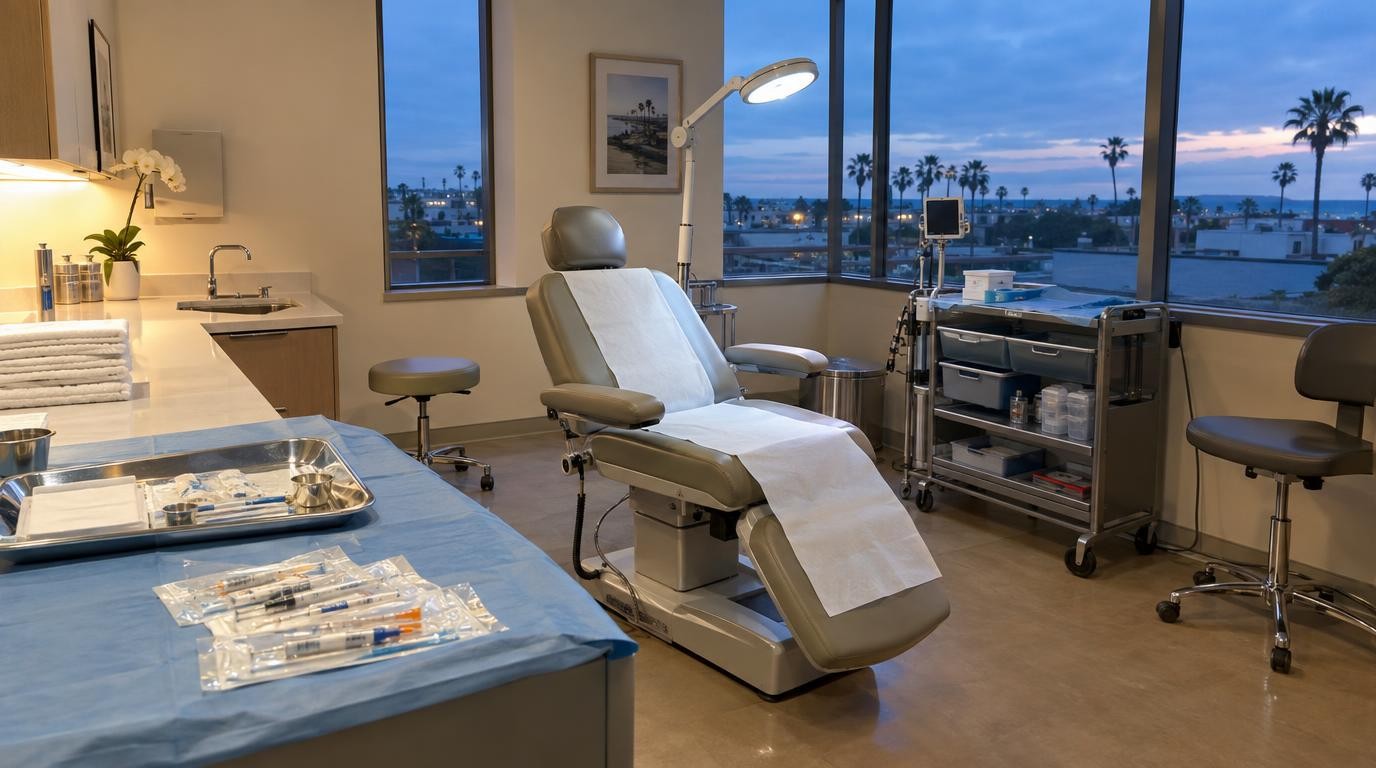
The donor area and injection placement depend on your anatomy and goals.
The American Board of Cosmetic Surgery lists a typical surgical time of 1–3 hours for facial fat grafting. Your procedure may take more or less time depending on the treatment plan, including whether you combine it with another procedure.
Where Is the Fat Taken From?
We may harvest fat from the thighs, abdomen, or lower back. The choice depends on where suitable donor fat is available and how much volume the facial treatment requires.
How Is the Fat Prepared and Injected?
After purification, the surgeon places the fat in tiny amounts throughout the selected areas rather than as one large deposit. Placement depends on the area being treated and the desired contour.
Who Is a Good Candidate for Facial Fat Transfer?
Facial fat transfer may suit adults who want to restore facial fullness, have sufficient donor fat, and are healthy enough for surgery under general anesthesia.
What Is the Best Age for Face Fat Transfer?
There is no single best age for face fat transfer. What matters more is whether you have facial volume loss you want to address, suitable donor fat, and health and preferences that make surgery an appropriate choice.
What Is Recovery Like After Facial Fat Transfer?
Recovery after facial fat transfer commonly involves temporary swelling and bruising in both the injected areas and the liposuction donor area. The extent of treatment and visible swelling can affect when you return to your usual schedule.
Does Facial Fat Transfer Hurt?
General anesthesia prevents awareness during CosmetiCare’s procedure, but it does not mean recovery will be painless. Cleveland Clinic’s fat transfer guidance lists bruising, swelling, and tenderness or soreness in both treated and donor areas as common effects.
When Can You Return to Normal Activities?
Many of our patients feel well enough for light activities at home soon after treatment, but that is different from returning to work, strenuous exercise, or driving. Because we use general anesthesia, arrange for someone to drive you home. Do not drive on the day of surgery, and follow our surgical team’s instructions about when to drive or increase activity. Cleveland Clinic notes that some people return to work and regular activities after a week, while others need two weeks or more. A larger treated area may require additional restrictions, and visible swelling may make you prefer a few days out of public view.
We recommend avoiding sun exposure until redness and bruising subside, usually after 48 hours. Swelling may take several weeks to subside, according to Cleveland Clinic.
The American Board of Cosmetic Surgery lists 4–6 weeks for full recovery after facial fat grafting. That is longer than the time some people need before returning to work or light activities; your healing time may differ.
How Long Will a Fat Transfer Last?
Some transferred fat is absorbed during healing, while the fat that survives can provide lasting, potentially permanent facial volume. At CosmetiCare, many patients have had results lasting up to one year or more; retention varies, so no individual duration is guaranteed.
We place additional volume to account for expected absorption, so treated areas can initially look puffy or overfilled. For more context on variable outcomes, see our review of fat transfer results.
Why Might a Facial Fat Transfer Need a Touch-Up?
A secondary injection may be needed if the retained volume does not achieve the desired result. The healed appearance, rather than the initial fullness, shows whether more volume is needed.
What Are the Risks of Facial Fat Transfer, and Who Should Avoid It?
Using your own fat does not make facial fat transfer risk-free. Swelling, bruising, and soreness in the treated and donor areas are common temporary effects; surgical complications are less common.
Less common complications include infection, anesthesia problems, an uneven or undesirable result, bleeding, fluid buildup beneath the skin, significant scarring, and fat embolism. Cleveland Clinic describes fat embolism as fat traveling through a vein to the lungs; it can be serious. Contact our surgical team immediately for a high fever, excessive bleeding, persistent dizziness, redness and heat at an incision, severe nausea and vomiting, leaking incision fluid, or sudden or persistent sharp pain. If symptoms are severe or you cannot reach us promptly, seek urgent medical care.
Who Should Avoid or Postpone Facial Fat Transfer?
Elective facial fat transfer should wait during pregnancy or while an active skin condition at a donor or injection site needs treatment. If you are breastfeeding, use nicotine, or take medications or supplements that increase bleeding or bruising, tell us before making a surgical plan, as Cleveland Clinic’s under-eye fat-transfer guidance recommends. Limited donor fat and concerns about general anesthesia also need individual assessment. Do not stop prescribed medication without talking with your prescriber.
How Does Facial Fat Transfer Compare With Injectable Fillers?
Fat transfer uses harvested tissue and surgery under general anesthesia; injectable fillers provide a nonsurgical way to address selected lines, lips, and depressed facial areas. We offer Restylane and other injectable fillers alongside fat transfer. Fillers can cause swelling and bruising; rarely, injection into a blood vessel can cause serious injury, including skin damage or vision loss. The better fit depends on the treatment area, willingness to undergo surgery, recovery plans, and desired volume.
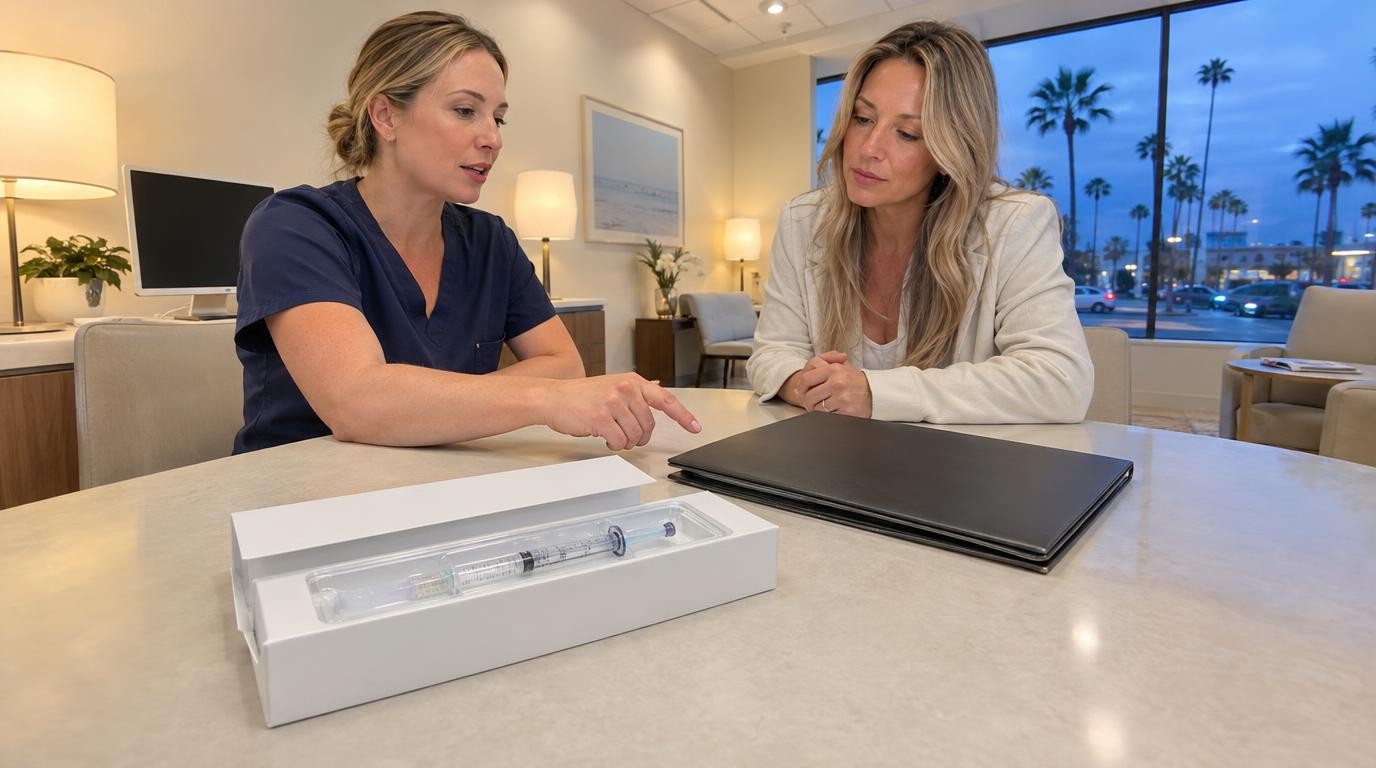
The practical differences are:
| Consideration | Facial fat transfer | Injectable fillers |
|---|---|---|
| Material and procedure | Your own fat is harvested, prepared, and injected during surgery. | Prepared filler is injected without a donor-site harvest. |
| Recovery considerations | Both the face and donor area heal after treatment. | There is no liposuction donor area. |
| Result planning | Some transferred fat is absorbed, so retained volume varies. | Product choice and placement depend on the area and goal. |
When Might Fillers Be a Better Fit Than Fat Transfer?
Fillers may be worth considering when you want to address a selected line, lip, or depressed area without a liposuction harvest or general anesthesia. Neither option is right for every patient; our overview of facial fillers can help frame the comparison.
Frequently Asked Questions
When will I see the final results of facial fat transfer?
According to Cleveland Clinic, it can take about six months for transferred fat to establish a new blood supply and for final results to become visible. We add extra volume to allow for absorption, so early puffiness is not your settled result.
How much transferred fat actually stays in the face?
About 40% to 70% of grafted fat may remain after 12 months, according to the American Board of Cosmetic Surgery. That range is a general estimate, not a prediction of how much fat you will retain.
Will gaining or losing weight change my facial fat transfer results?
Yes. Transferred fat cells can gain or lose volume like other fat cells, according to the American Board of Cosmetic Surgery. Significant weight gain may increase fullness, while weight loss may reduce it. A stable weight makes the planned contour easier to evaluate.
Can facial fat transfer be combined with a facelift or eyelid surgery?
Yes, facial fat transfer can sometimes be combined with a facelift or eyelid surgery. A facelift addresses tissue position while grafting adds volume; eyelid surgery may address concerns around the eyes. The American Board of Cosmetic Surgery notes that some procedures can share one surgery, while others need separate appointments.
Can facial fat transfer help after significant or GLP-1-related weight loss?
It may help restore facial volume lost after weight loss, including weight loss while taking a GLP-1 medication. We will assess your facial contours and available donor fat to determine whether fat transfer fits your goals.
Can facial fat transfer improve a facial scar?
Facial fat transfer may improve a depressed scar by adding volume; Cleveland Clinic lists facial scar repair among its possible uses. It cannot erase every scar, particularly when color or surface texture rather than lost volume is the main concern.
Will I need a compression garment after facial fat transfer?
You may need a compression garment for the liposuction donor area, but it is not required for everyone. Cleveland Clinic notes that one may help with healing after fat transfer. Follow your specific postoperative instructions rather than assuming the same garment or schedule applies to every procedure.
Is Facial Fat Transfer Right for You in Newport Beach?
Facial fat transfer may be appropriate when lost volume is the main concern, a suitable donor area is available, and surgery fits your goals.
Our before-and-after gallery shows actual patient outcomes that may help you consider possibilities, although photographs cannot predict your result. If you are considering facial fat transfer, contact CosmetiCare in Newport Beach for a personalized consultation with a board-certified plastic surgeon.
This information is general and is not medical advice. Talk to a licensed clinician about your own situation before making a treatment decision.
