
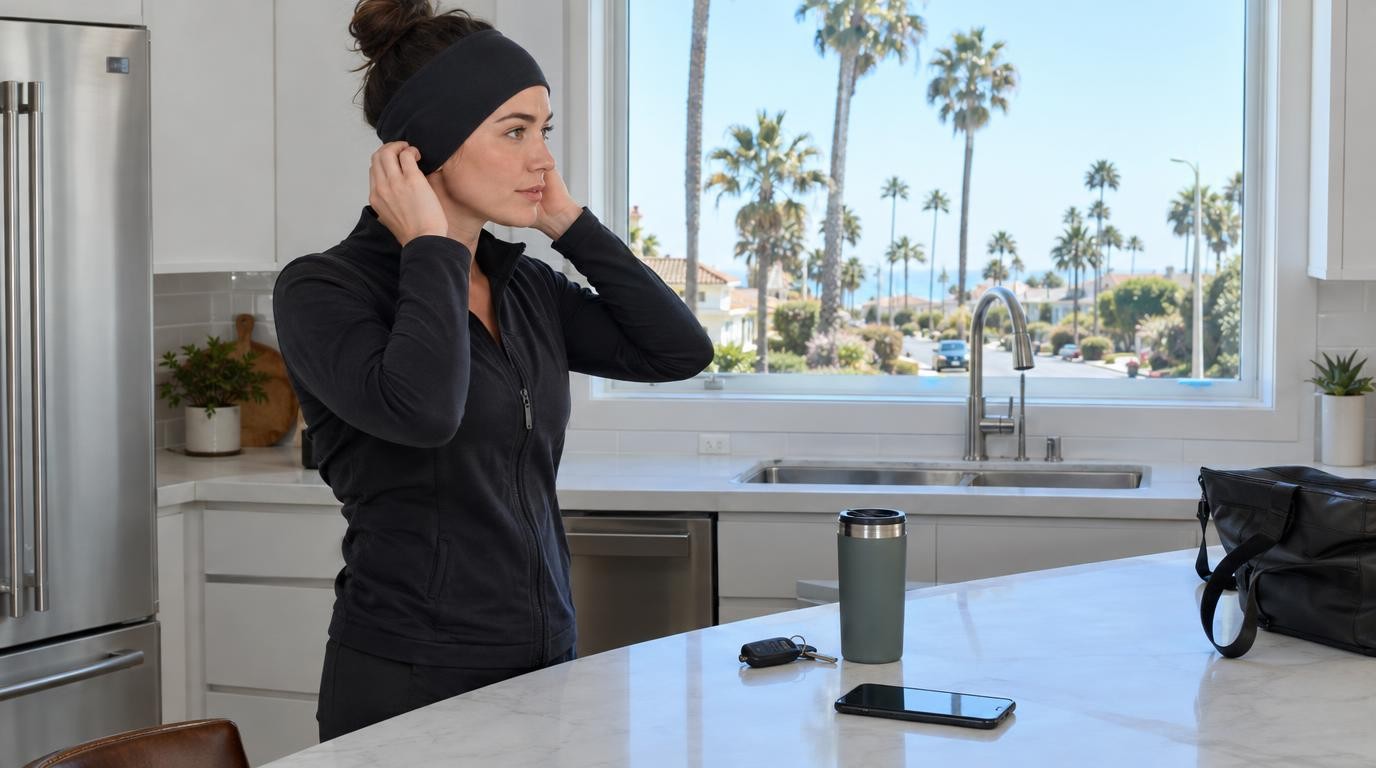
Last updated: November 20, 2026
At CosmetiCare, the otoplasty recovery timeline typically moves from a protective wrap for several days to ordinary activities within a few days, sports after four to six weeks with surgeon clearance, and full healing around two to three months. An important part of otoplasty (ear surgery) in Newport Beach is knowing that swollen ears can look uneven early on, so their initial appearance is not the final result.
What is the otoplasty recovery timeline from day one onward?
At CosmetiCare, a wrap protects your ears for the first several days, stitches are usually removed or dissolve around one week, most swelling and bruising resolves in one to two weeks, and sports generally resume after four to six weeks with surgeon clearance. Full healing usually takes around two to three months. These milestones are planning guides, not promises about how your ears will feel or look.
| Stage | Typical milestone | Source |
|---|---|---|
| First several days | A heavy wrap protects the ears; aching or throbbing is common. | CosmetiCare |
| Around one week | Stitches are typically removed or dissolve. | CosmetiCare |
| One to two weeks | Much of the swelling and bruising typically resolves. | CosmetiCare |
| Four to six weeks | Normal activities, including sports, generally resume after surgeon clearance. | CosmetiCare |
| Around two to three months | The ears are typically fully healed. | CosmetiCare |

How long does it take to recover from ear surgery?
At CosmetiCare, patients are usually up and moving within a few hours, most return to ordinary activities within a few days, sports generally resume after four to six weeks with surgeon clearance, and the ears are typically fully healed around two to three months. Feeling ready for a daily routine is different from being ready for impact or seeing the final contour. The American Board of Cosmetic Surgery’s otoplasty guidance places a return to school or desk work around week one and notes that the final shape can continue to refine as minor swelling resolves.
What happens during the first week after otoplasty?
The initial wrap supports and protects the ears while the new position begins to heal. We replace it with lighter bandages after a few days. Aching or throbbing is common during this period, and pain medication can reduce mild discomfort.
What changes between weeks two and six?
After most bruising has faded, the ears may still be tender, red, or swollen for several weeks. Daily routines often feel easier before the ears are ready for impact or vigorous exercise.
When are the ears fully healed?
CosmetiCare’s usual full-healing estimate is around two to three months. That is different from the date you return to work or stop wearing a protective wrap.
Does the type of ear pinning affect how long recovery takes?
The type and extent of ear correction can affect an individual’s swelling, bruising, and aftercare, so a general ear pinning recovery schedule cannot predict every patient’s experience. Otoplasty may reposition prominent ears or reshape cartilage, while earlobe repair addresses different tissue. The surgical plan determines which recovery instructions apply.
What is ear pinning?
Ear pinning is a common name for otoplasty that brings prominent ears closer to the head. An article on the American Society of Plastic Surgeons’ site about otoplasty techniques explains that surgeons may place sutures behind the ear cartilage or score its front surface to reshape it. The American Academy of Facial Plastic and Reconstructive Surgery’s description of otoplasty explains that the surgeon makes an incision behind the ear or in an ear fold, separates the skin from the cartilage, and may bend, weaken, or trim the cartilage. Sutures typically hold the cartilage in its new position; separate stitches close the incision and usually dissolve. The technique varies with your surgical plan. For more on the procedure itself, see our ear pinning surgery explanation.
According to the American Academy of Facial Plastic and Reconstructive Surgery, otoplasty takes about two hours, and patients usually go home the same day.
Who might consider otoplasty or another type of ear correction?
In adults, otoplasty can address protruding or large ears, asymmetry, and ear shape differences present from birth. Choosing not to have surgery is also an option; nonsurgical measures do not provide the same lasting correction of adult ear cartilage as otoplasty. At CosmetiCare, the surgical plan reflects whether we are reshaping ear cartilage or repairing a stretched or torn earlobe. Local or general anesthesia may be appropriate, depending on the procedure and patient; either way, the ears need protection during healing. Learn how the ear pinning procedure works and what to expect before, during, and after surgery.
Why might your ears look uneven or more prominent after otoplasty?
Early swelling and bruising can temporarily change how far an ear appears to project and can make the ears look uneven. An early view is therefore a poor test of whether ear pinning achieved its intended shape.
Can early swelling make ear pinning look unsuccessful?
Yes. Swelling can temporarily obscure the new contour, and the ears may not improve at precisely the same pace. An ear that seems more prominent early on has not necessarily shifted back.
How do you recover from otoplasty while protecting your ears?
Protecting your ears after otoplasty involves three stages:
- Leave the heavy wrap in place for the first several days; do not remove it yourself.
- Keep the lighter bandages in place after our team changes the wrap.
- Once the bandages are removed, wear the recommended headband at night for a few weeks.
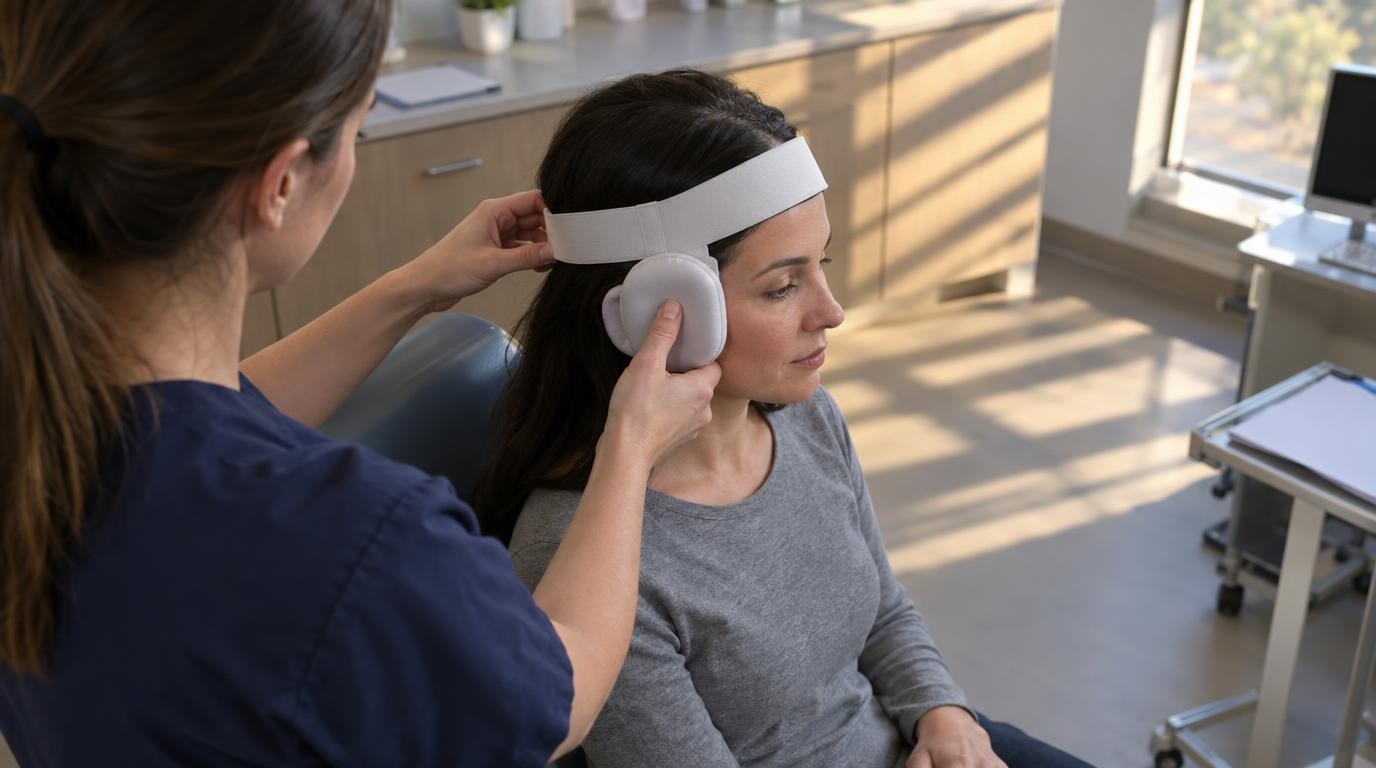
For days one to three, sleep with your head elevated, as the American Board of Cosmetic Surgery recommends.
The American Society of Plastic Surgeons’ ear surgery recovery guidance explains that dressings protect the ears from trauma and support their new position. The society cautions patients not to remove bandages on their own because doing so could compromise the correction.
When are bandages changed and stitches removed?
At CosmetiCare, the heavy wrap is replaced with lighter bandages after a few days, and stitches are typically removed or dissolve around one week. These stitches are not necessarily the same as internal sutures that may hold the ear’s new shape. Do not change a dressing or try to remove a stitch unless our team instructs you to do so.
How long do you wear a headband at night?
CosmetiCare generally recommends a nighttime headband for a few weeks after the bandage change to help protect the ears during sleep. Headband schedules can differ by technique and healing progress, so follow the duration given for your procedure rather than stopping when swelling first improves.
When can you return to work, exercise, and sports after otoplasty?
Desk work may be possible around week one, light exercise in weeks two to three, and full activity, including sports, after four to six weeks with your surgeon’s clearance. Job demands, including physical exertion or headgear that presses on the ears, matter when planning a return to work.
Can you return to desk work within a week?
Often, yes, if the work does not risk bumping the ears and recovery is progressing as expected. The American Board of Cosmetic Surgery places a return to desk work around week one in its general timeline. Someone whose job requires physical exertion or protective equipment may need a different plan even if they feel well enough to work.
When can you resume vigorous exercise or contact sports?
Walking and ordinary movement are not the same as exertion that raises pressure or exposes the ears to impact. CosmetiCare advises avoiding vigorous activity and contact sports while the ears heal, with all normal activities generally resuming after four to six weeks once the surgeon clears them. Feeling comfortable sooner is not, by itself, clearance for contact sports.
When can you judge the final appearance of your ears?
Allow several months before judging the final appearance of your ears, even if you feel healed sooner. Results are intended to be permanent, although an ear can sometimes begin to protrude again.
The American Academy of Facial Plastic and Reconstructive Surgery says most swelling and bruising subsides within one to two weeks, but remaining swelling can continue to subtly change the ears’ contour. Before-and-after images can help set realistic expectations, but another patient’s outcome cannot predict yours; CosmetiCare’s before-and-after gallery shows examples of actual patient results.
Will otoplasty results look perfectly symmetrical?
Not necessarily. CosmetiCare does not promise perfect symmetry, and minor differences may remain even after healing. An early uneven appearance may improve as swelling subsides; a difference that still concerns you later is worth reviewing against your original goals and surgical plan.
What side effects and risks should you discuss before otoplasty?
Early aching, throbbing, swelling, bruising, tenderness, and redness can occur after otoplasty, but surgery also carries risks beyond expected healing. These include bleeding, a collection of blood around the ear called a hematoma, infection, anesthesia complications, and an ear shape that differs from the intended result. The American Board of Cosmetic Surgery reports recurrence rates of about 2–10%, depending on the technique. Discuss your personal risks and any condition that could affect healing with your surgeon before proceeding.
Is throbbing or soreness normal after ear pinning?
CosmetiCare notes that throbbing or aching is typical during the first few days and that medication can help with mild discomfort. Contact the surgical team promptly for severe or worsening pain, rapidly increasing swelling, persistent bleeding, fever, or spreading redness; seek urgent medical care for symptoms that appear immediately dangerous, such as trouble breathing.
Who may need to delay ear surgery?
An active infection or a health issue that interferes with healing may call for postponement. Medical history, medications, and current symptoms can affect when it is appropriate to proceed. Residual asymmetry or an unwanted contour is possible despite an uncomplicated recovery, so realistic goals matter before surgery.
Frequently Asked Questions
When can I wear glasses after otoplasty?
You can usually wear glasses once the initial swelling subsides, typically about one week after otoplasty, according to the American Board of Cosmetic Surgery. Let the frames rest gently on the new ear fold; lightweight frames or soft pads may help while your ears heal.
Will otoplasty affect my hearing?
No. Otoplasty reshapes the outer ear cartilage, not the ear canal or inner-ear structures responsible for hearing, according to the American Board of Cosmetic Surgery.
Is pain after mastoidectomy normal?
Some postoperative pain may require medication after mastoidectomy. A surgeon may remove infected mastoid bone or ear tissue during this operation, and may prescribe pain medication and antibiotics afterward, according to MedlinePlus’s mastoidectomy overview. Mastoidectomy is different from cosmetic otoplasty: follow your treating surgeon’s recovery instructions rather than the otoplasty timeline, and contact that surgeon if pain is concerning or worsening.
Is itching under my otoplasty bandage normal?
Yes. An itchy feeling under the bandages can occur during otoplasty recovery, according to the American Society of Plastic Surgeons. Keep the bandages intact rather than removing them to scratch: they protect the ears and support their new position. Contact our team if the dressing becomes uncomfortable.
Can my ears feel numb after otoplasty?
Yes. Numbness or other changes in skin sensation around the ears can be temporary or, occasionally, lasting after otoplasty, according to the American Board of Cosmetic Surgery.
When can I wash my hair after otoplasty?
Ask our team when and how you may wash your hair without disturbing your dressing. Do not remove the wrap to shampoo unless we instruct you to; the timing depends on your dressing and follow-up plan.
Where are otoplasty scars located?
Otoplasty incisions are typically placed behind the ear, where the scar is not easily seen, although the location can vary by technique, according to an article on the American Society of Plastic Surgeons’ site. The American Board of Cosmetic Surgery notes that scars continue to mature and flatten from month three onward.
How soon can a protruding ear be corrected again if it shifts after otoplasty?
If an ear starts to protrude again, contact your surgeon rather than trying to reposition it yourself. Minor relapse can sometimes be treated with splinting; larger recurrences may need touch-up sutures. The American Board of Cosmetic Surgery advises waiting at least three months, or until your surgeon clears you, before revision to avoid disturbing healing tissue.
How can Westminster patients plan their otoplasty recovery with CosmetiCare?
If you live in Westminster, California, your otoplasty would take place at our accredited on-site surgery center in Newport Beach, California. Plan for travel home with your dressing intact and for follow-up care, including stitch removal around one week if your stitches do not dissolve. We will give you personalized instructions for your dressing, headband, activity, and follow-up schedule.
For a recovery plan tailored to your ears and routine, contact CosmetiCare in Newport Beach at 949-647-5399 to arrange a consultation. Our physicians include Dr. Michael Niccole, MD, FACS, our founder and Medical Director, and Dr. Brian Reagan, MD, FACS.
This information is general and is not medical advice. Talk to a licensed clinician about your own situation before making a treatment decision.
About the doctors at CosmetiCare
Dr. Michael Niccole, MD, FACS – Founder and Medical Director of CosmetiCare Plastic Surgery Center & MedSpa.
Dr. Brian Reagan, MD, FACS – Plastic surgeon.
